Looking for seitan recipes and ideas? This guide rounds up weeknight-friendly dinners, crispy pan-seared options, saucy braises, and a few make-ahead staples—so you can decide based on your mood and what you’re craving.

Seitan is an amazing staple in vegan cooking when you want something hearty, savory, and substantial. Made from wheat gluten, it has a firm, chewy texture and a neutral base that takes on seasoning exceptionally well. It’s especially useful in dishes where you want bite and structure, from pan-seared mains to ones with slow-simmered sauces.
One of the reasons seitan can feel intimidating is the texture. Overcook it, and it turns rubbery, but handle it correctly and it becomes a wonderful vehicle for soaking up marinades and sauces, and can develop golden, crispy edges. When used with the right techniques, seitan works across a wide range of cuisines and cooking styles, from quick weeknight meals to more involved dinner recipes.
This guide brings together some terrific seitan recipes from vegan bloggers, along with practical tips for cooking and using it like a pro. You’ll find fast options, sauce-forward dishes, and make-ahead ideas, plus guidance on when to use homemade versus store-bought seitan. If you’re looking for reliable ways to cook with seitan—or want to understand how it actually works—this is a solid place to start.
What is Seitan?
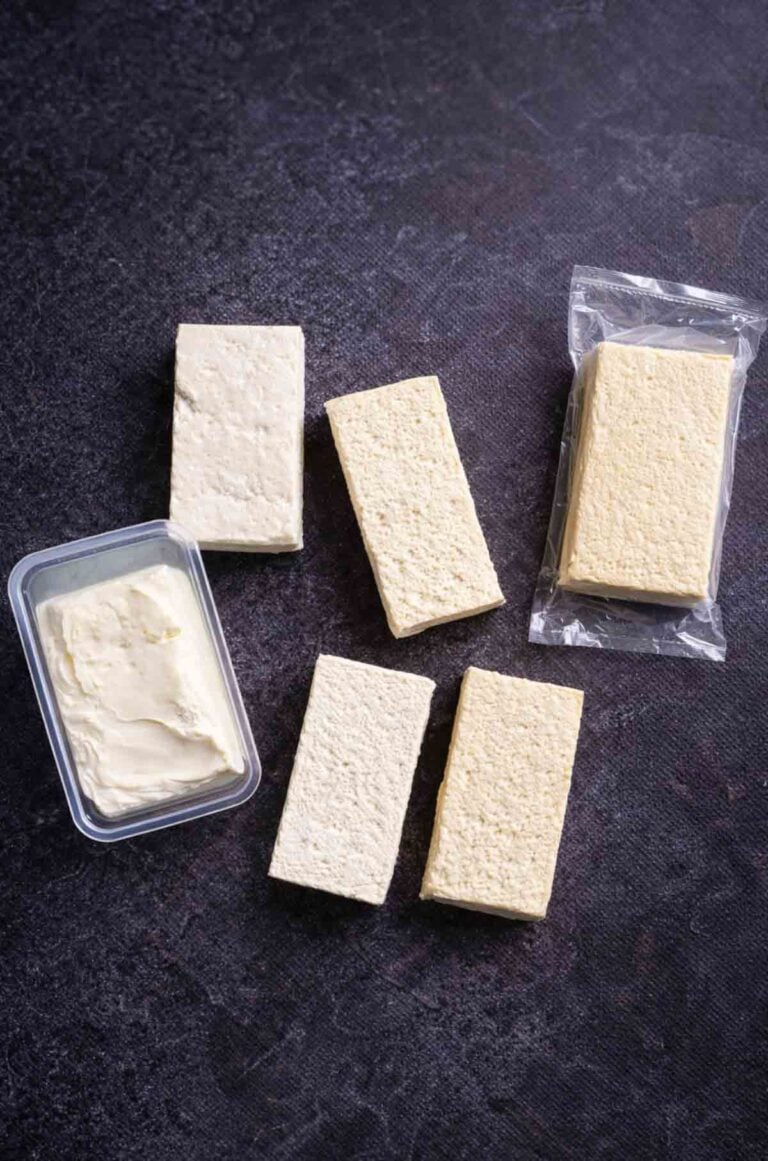
Seitan is a plant-based protein made from wheat gluten. It’s created by mixing vital wheat gluten with broth and seasonings, then cooking it—usually by steaming or simmering—until it becomes firm and chewy. Because of its dense texture and ability to absorb flavor, seitan is commonly used as a meat alternative in vegan cooking.
Unlike tofu or tempeh, seitan is almost entirely protein, with very little fat or carbohydrates. It works especially well in recipes that rely on structure and bite, such as stir-fries, grilled dishes, braises, and pan-seared preparations. Seitan is not gluten-free and isn’t suitable for anyone with celiac disease or gluten intolerance.
What Seitan Is Best For
Seitan works best in dishes where texture matters. Its firm, chewy structure holds up to high heat, long cooking times, and bold sauces without falling apart. That makes it especially useful in recipes where tofu might break down or tempeh may crumble.
Seitan is a strong choice for pan-seared dishes, stir-fries, grilled preparations, and braises. It browns well, develops crisp edges, and absorbs marinades and sauces like a champ. In soups and stews, it keeps its shape while picking up flavor from the broth.
Because it’s dense and protein-forward, seitan is often used in recipes that aim to feel hearty and satisfying—think tacos, sandwiches, curries, roasts, and skillet dinners. It’s an ideal protein to use when you want something substantial that anchors a meal.
Seitan Troubleshooting & Tips
Most issues people run into with seitan come down to texture, not flavor. The good news is that seitan is predictable once you know how it behaves. These are the most common problems—and how to fix them.
- Why is my seitan rubbery? Rubbery seitan is almost always the result of overcooking, aggressive boiling, or over-kneading. Seitan should be cooked at a gentle simmer or steamed; a hard boil tightens the gluten and makes it bouncy. When mixing the dough, knead just until combined—stop well before it looks smooth like bread dough. For finished dishes, slicing or tearing seitan into thinner pieces also helps keep the texture tender.
- Why does my seitan taste bland? Seitan has a neutral flavor on its own, so seasoning needs to happen at multiple stages. Salt the dough, season the cooking liquid, and finish with a sauce, glaze, or marinade. Bold flavors—soy sauce, miso, spice blends, acids—tend to work best and help the seitan taste fully integrated into the dish.
- Why is my seitan dry? Dry seitan usually means it was exposed to heat without enough moisture. Long baking times, uncovered roasting, or reheating without sauce can all dry it out. To fix this, cook seitan with a sauce, cover it for part of the cooking time, or add it toward the end of stews and braises so it absorbs flavor without losing moisture.
- Why does my seitan fall apart? If seitan crumbles or breaks down, it’s often been simmered too long or sliced too thin for the cooking method. Seitan holds its structure best when added after sauces have developed and cooked gently. For stir-fries or pan-searing, start with larger pieces and cut after cooking if needed.
- Why won’t my seitan brown? Browning requires dry heat and good contact with the pan. Pat seitan dry before cooking, use enough oil, and avoid overcrowding the pan. Adding sauce too early can prevent browning—wait until the exterior has developed color before glazing or simmering.
Easy Seitan Recipes for Weeknight Cooking
These recipes are designed for nights when you want something solid on the table without a lot of planning. They rely on easy-to-learn techniques, short cook times, flexible timing, and seitan’s ability to cook quickly and hold its texture. Most come together in under 30 minutes and work well with store-bought or pre-made seitan and don’t require long marinades or specialty equipment. If you’re looking for approachable, low-friction ways to use seitan during the week, this is where to start.
Korean-Style Tacos With Seitan
These tacos feature marinated seitan slices that are quickly seared until browned and chewy, then tucked into warm tortillas with crisp vegetables and kimchi. The bulgogi-style marinade is savory and garlicky, with grated pear and onion adding balance without making the filling sweet.

This vegan chicken noodle soup by Chef Adam Sobel over at Cinnamon Snail uses hand-torn seitan to create a chewy, structured bite that holds up in hot broth. The seitan is lightly browned before simmering, which adds depth and keeps it from breaking down as the soup cooks. Paired with classic vegetables, herbs, and noodles, it’s a classic example of how seitan works so well in traditional, broth-based recipes.

This vegan hamburger helper by Jessica at Plant Based Jess uses ground seitan to recreate the classic one-pot texture without relying on packaged alternatives. The seitan stays chewy and substantial as it cooks with the pasta, vegetables, and creamy sauce, making it well suited for a skillet-style dinner. It’s a non-fussy, weeknight-friendly example of how seitan performs in saucy, noodle-based meals.

This seitan saltado by Susan Voisin at Fat Free Vegan Kitchen pairs crisp oven-baked fries with seared seitan and vegetables in a quick, high-heat stir-fry. The seitan holds its shape alongside the potatoes, absorbing the vinegar and soy-based seasoning without softening or breaking down. It’s a practical example of how seitan performs in bold, fast-cooked dishes where texture and contrast matter.

This seitan fajita filling by Very Vegan Val is built for quick skillet cooking, with sliced seitan and peppers cooked until lightly browned and coated in a simple soy-vinegar seasoning. The seitan cooks fast, keeps its chew, and holds up well alongside vegetables without drying out. It’s an easy, flexible base that works for tacos, bowls, or leftovers throughout the week.

This Thai-inspired vegan larb by Lori of My Quiet Kitchen uses crumbled seitan cooked until lightly crisp, then tossed with fresh herbs, lime, and quick-pickled onion. The result is bright, savory, and balanced, with enough texture to feel satisfying without being heavy. Served in lettuce cups or alongside rice, it’s a fast, flexible way to use seitan for weeknight cooking or casual entertaining.

Seitan Gyro Meat
These seitan gyros by Monica at The Hidden Veggies use store-bought seitan strips quickly sautéed with warm gyro spices for a fast, flavorful filling. Wrapped in pita with fresh vegetables and vegan tzatziki, they come together in about 15 minutes and work well for an easy weeknight dinner or casual lunch.

Seitan Recipes That Use Marinades & Bold Sauces
These seitan recipes lean into marinades, sauces, and slow flavor-building rather than quick assembly. Seitan’s dense structure makes it especially well suited to bold, sauce-forward dishes, where it can absorb seasoning without losing its chew or breaking down. This section highlights recipes where marinades, braises, and richly spiced sauces do the heavy lifting—and where seitan behaves more like a traditional protein than a shortcut ingredient.
Chinese BBQ Pork (Vegan Char Siu)
This vegan char siu by Lisa at Okonomi Kitchen uses homemade seitan to replicate the dense, sliceable texture of Chinese BBQ pork. The seitan is simmered in a five-spice, soy, and Shaoxing wine marinade, then baked or pan-seared to create caramelized edges and a glossy finish. It’s a strong example of how seitan performs in marinade-heavy, sauce-forward dishes that benefit from structure and firm texture.

This vegan bolognese by Chef Adam Sobel of Cinnamon Snail uses ground seitan to create a hearty, structured sauce that cooks quickly but tastes like it was simmered all day. The seitan browns and holds its texture as the tomato and red wine reduce, resulting in a rich, savory sauce that works well for weeknight pasta. It’s a solid option when you want something comforting that comes together fast.

This vegan butter chicken by Chef Adam Sobel of Cinnamon Snail uses marinated seitan to recreate the structure and richness of the classic dish with a plant-based twist. The seitan is browned, then simmered in a smooth tomato-coconut sauce spiced with garam masala, ginger, and cumin. It’s a delicious, sauce-forward dinner that works well with basmati rice or naan and reheats well for leftovers.

This simple seitan curry by Dan and Jess of Vegan Punks is built for speed and reliability, coming together in about 20 minutes with minimal prep. Store-bought seitan simmers in a mild, creamy curry sauce made with passata, vegan yogurt, and a short list of spices. It’s an easy weeknight option that works well with rice or naan and doesn’t require any specialized ingredients.

Hearty Seitan Dinner Recipes (Comfort Food & Mains)
These hearty seitan dinner recipes are built for comfort and structure, not speed. They lean into longer cooking times, layered flavors, and full-plate mains where seitan plays a central role—braised, baked, grilled, or simmered until cohesive and satisfying. This is where seitan behaves most like a traditional protein, anchoring meals that feel substantial, comforting, and worth sitting down for.
This vegan bourguignon uses seitan and mushrooms simmered slowly in a red wine–rich sauce until deeply savory and cohesive. Seitan holds its structure while absorbing the sauce, making it a reliable stand-in for the long-cooked texture of the classic dish. It’s a hands-off, make-ahead friendly dinner that works especially well served over mashed potatoes, noodles, or with crusty focaccia.

French Onion Soup Ramen with Homemade Seitan
This vegan ramen combines deeply caramelized onions with a soy-rich, spice-infused broth, then finishes the bowl with seared seitan for structure and chew. It’s slow-cooked and savory rather than heavy, with enough depth to feel special but still grounded in familiar comfort.

Smoky seitan chorizo is paired with roasted sweet potatoes and kidney beans, then rolled into burritos and baked in enchilada sauce until hearty and saucy. The seitan adds structure and spice, while the sweet potatoes keep the filling balanced and substantial. These burritos reheat well, making them a practical option for make-ahead dinners or lunches.

This vegan seitan steak by Rachel at Health My Lifestyle is designed for structure and visual appeal, with a dough that’s simmered first, then finished on the grill or stovetop for a browned exterior. Beans, tomato paste, and beet juice add moisture and color, while the seitan stays firm without turning rubbery. It’s a solid option when you want a protein-forward centerpiece that holds up to grilling, slicing, and reheating.

Crispy & Pan-Seared Seitan Recipes
These crispy and pan-seared seitan recipes focus on surface texture and high-heat cooking. Browning, breading, grilling, or frying creates contrast—crisp edges with a chewy interior—where seitan performs especially well. This section highlights techniques that rely on direct heat and fat contact, making these recipes feel indulgent, satisfying, and firmly rooted in classic comfort-food territory.
This vegan fried chicken by Adam Sobel of Cinnamon Snail uses seitan’s natural firm texture to create a crisp, juicy result that holds up to frying. A tangy pickle-brined buttermilk marinade seasons the seitan all the way through, while a seasoned flour coating delivers serious crunch. It’s a classic comfort-food application where seitan’s texture really shines, whether served plain or tossed in sauce.

This vegan cordon bleu by Petra of Sunglow Kitchen uses homemade seitan to recreate the structure of the classic dish—stuffed, breaded, and crisped until golden. Layers of vegan ham and melty cheese are sealed inside tender seitan, then pan-fried and finished in the oven for a balanced contrast of crunch and softness. It’s a more involved recipe, but one where technique clearly pays off.

In this recipe, homemade seitan is simmered until tender, then grilled and repeatedly basted with a sticky sambal-based glaze that caramelizes as it cooks. The result is chewy, deeply savory, and balanced with heat and sweetness, with crisp edges from the grill. This recipe works best when the seitan is made ahead, making it a strong option for grilling or batch cooking.

Make-Ahead & Meal Prep Seitan Recipes
These make-ahead and meal prep seitan recipes are built for repeat use and flexible cooking. They focus on techniques that set structure early—steaming, slow cooking, baking, or marinating—so the seitan reheats, slices, and browns reliably later on. Whether you’re prepping a base protein, stocking the fridge for the week, or planning meals that improve over time, these recipes show how seitan works best when you cook once and use it multiple ways.
These farro and seitan sausages combine nutty whole grains with shiitake and warm spices for a dense, sliceable texture that holds up well after cooking. The sausages are steamed first, which sets their structure, then can be grilled, pan-seared, or added to other dishes as needed. This is a good option when you want a make-ahead protein that reheats cleanly and works across multiple meals.

This homemade seitan by Adam Sobel at Cinnamon Snail is designed to shred, pull, and brown like chicken, making it one of the most versatile base recipes in the roundup. Beans and careful mixing create long, tender strands, while steaming and an overnight marinade keep the texture juicy instead of spongy. Once made, it can be roasted, sautéed, fried, or simmered in sauces, and used across multiple dishes throughout the week. This is a foundational recipe when you want seitan that behaves consistently and offers versatility.

This BBQ seitan sandwich by Rachel at Health My Lifestyle uses baked seitan that slices cleanly and holds its texture once sauced. The seitan absorbs smoky BBQ flavor without getting soggy, making it a solid option for make-ahead lunches or casual dinners. Piled into bread with simple toppings, it’s a hearty, protein-forward sandwich that is filling and satisfying.

This peri peri seitan chicken by Louise at The Vegan Larder starts with homemade seitan fillets that hold their shape and develop good bite after grilling. A spicy, tangy peri peri marinade penetrates deeply, giving the seitan plenty of flavor without overpowering its texture. It’s well suited for grilling, batch cooking, or slicing into salads and wraps throughout the week.

Slow-Cooked Seitan Roast
This slow cooker seitan roast by Jackie at Vegan Yack Attack is a true set-it-and-forget-it main, with a homemade seitan round gently cooking in savory broth alongside vegetables and herbs. The result is tender, sliceable seitan that works straight from the slow cooker or finished under the broiler for added texture. It’s a practical option for cozy dinners or holiday-style meals when you want something hearty without hands-on cooking.

This seitan bacon by Kathy’s Vegan Kitchen uses thin slices of marinated seitan cooked in the air fryer to get crisp edges without added oil. The soy sauce, maple syrup, and liquid smoke combination delivers salty, smoky flavor that works especially well in sandwiches and breakfast dishes. It’s a fantastic way to use seitan as a topping or accent rather than the main event.

What to Know Before Cooking with Seitan
If you’ve bought prepared seitan and you’re not sure what to do with it, think of it like a blank, chewy protein that needs two things: seasoning and the right cooking method. The goal is almost always the same—warm it through without turning it rubbery, then build flavor with a sauce or a hard sear.
If you want to make seitan from scratch, you’ll usually start with vital wheat gluten and cook it by steaming or simmering. Try our basic homemade seitan recipe for a reliable and tested version.
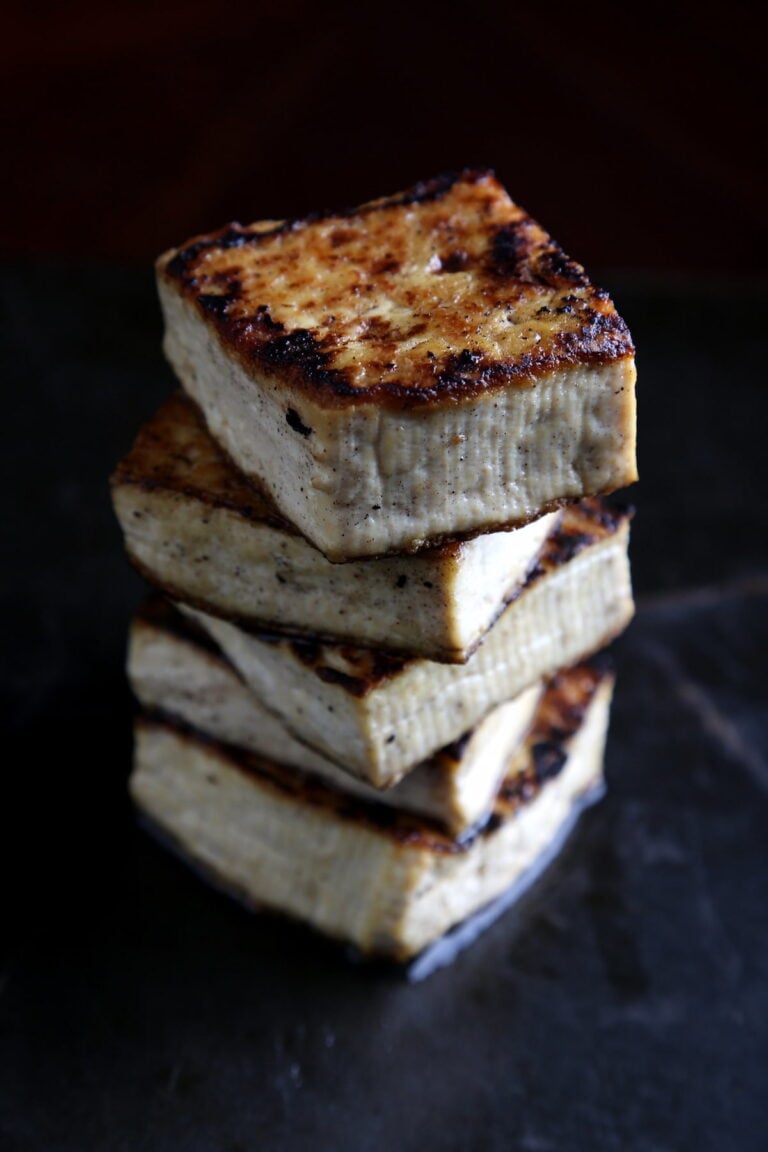
- Pan-sear (best for texture): Slice or tear seitan into thinner pieces, pat dry, then sear in a hot skillet until browned. Add sauce after it’s golden so you don’t steam away the crisp edges.
- Simmer (best for soaking up flavor): Use a gentle simmer—not a hard boil—so the texture stays tender. This is the move for curries, stews, and anything with a broth or gravy.
- Bake (best for “set it and forget it”): Bake is great when your seitan is already seasoned or sauced and you want a hands-off finish—think sandwiches, roasts, or sheet-pan meals. Cover for the first half if it tends to dry out, then uncover to brown.
- Deep-fry or air-fry (best for crunch): If you want crispy cutlets, nuggets, or “fried chicken” texture, coating and high heat is what gets you there. Just don’t overcrowd the basket/pan, or it’ll steam instead of crisp.
- Grill (best for smoky edges): Grilling works best when the seitan is already cooked and you’re reheating and caramelizing the outside. Use a marinade or sauce that can take heat (and watch sugars so they don’t scorch).
Using Store-Bought Seitan
Store-bought seitan is fully cooked, which makes it one of the easiest plant-based proteins to work with—but how you use it matters. The biggest mistake is treating it like something that needs long cooking time. Instead, think of it as a ready-to-use base that benefits from quick browning, good seasoning, and the right amount of moisture. A few things to keep in mind:
- Check the style before you cook: Store-bought seitan comes in different forms: plain blocks, strips, chunks, or pre-seasoned varieties. Neutral versions work best when you want to control flavor, while seasoned styles are ideal for fast stir-fries, tacos, or sandwiches.
- Slice or tear for better texture: Tearing seitan into uneven pieces creates more surface area, which helps it brown and grab onto sauces. Thin slices work well for pan-searing and sandwiches.
- Don’t overcook it: Because it’s already cooked, long simmering can make store-bought seitan firm and bouncy. Use higher heat for short cooking times, or add it toward the end of saucy dishes.
- Season aggressively: Many store-bought versions are lightly seasoned. Marinades, spice rubs, and bold sauces go a long way in building depth.
- Know when to crisp vs. soak: For tacos, bowls, and stir-fries, pan-sear or grill first. For curries or braises, add it after the sauce has developed so it absorbs flavor without breaking down.
Store-bought seitan is especially useful for weeknight cooking because it skips the prep phase entirely. Once you learn how to slice it, brown it, and pair it with the right sauces, it becomes a fast, reliable option for everything from stir-fries to hearty dinner plates.
FAQs
Seitan and tofu are both nutritious plant-based proteins, but they serve different purposes. Seitan is higher in protein and has a firmer, meatier texture, which makes it well suited for stir-fries, grilling, and hearty seitan recipes. Tofu is gluten-free, lower in calories, and softer, making it a better option for those avoiding gluten or looking for a lighter protein. Neither is objectively “better”—the right choice depends on dietary needs and how you plan to cook it.
The main drawback of seitan is that it’s made from wheat gluten, so it’s not suitable for anyone with celiac disease or gluten intolerance. Seitan is also lower in certain essential amino acids, which means it’s best eaten as part of a balanced meal alongside legumes, grains, or vegetables. For most people without gluten sensitivities, seitan can be a useful, high-protein ingredient when prepared and seasoned well.
Yes. Homemade seitan is affordable, customizable, and widely used in vegan cooking. Most recipes start with vital wheat gluten, which is mixed with broth or stock and seasonings, then cooked by steaming or simmering before being used in dishes like stir-fries, sandwiches, and curries. Making seitan at home allows you to control both flavor and texture.
Rubbery seitan is usually caused by overcooking, aggressive boiling, or over-kneading the dough. Seitan cooks best at a gentle simmer or by steaming—a hard boil tightens the gluten and makes it tough. To improve texture, avoid boiling it vigorously, knead only until combined (not smooth like bread dough), and slice or tear seitan into thin pieces before cooking it.