
Whether you’re new to plant-based cooking or just looking to expand what’s already in your kitchen, knowing your way around vegan protein sources changes everything. This guide covers the top eight, with a focus on how much protein they carry and how to actually use them.
The best vegan protein sources are already in most plant-based kitchens. Tofu, tempeh, seitan, soy curls, lentils, beans, edamame, and TVP all deliver a solid protein count per serving and, more importantly, they behave differently enough in the kitchen to create meals that provide lots of variety. This guide covers the ones that actually anchor a dish: what they are, how much protein they carry, and how to cook with them so the results are delicious and satisfying.
I’ve been cooking with plant-based proteins long enough to know that the question isn’t really can vegans get enough protein? It’s which proteins are actually worth understanding. The vegan protein sources that show up again and again in my kitchen aren’t there to hit a specific number—they just work. These crisp up, braise, absorb, and build texture.
This isn’t a comprehensive nutritional guide (I’m not a nutritionist!), and it won’t cover every plant-based food that contains some protein. Here’s what it will focus on: the ingredients that form the backbone of a meal, and the ones worth understanding in more depth.
The best vegan protein sources for cooking are tofu, tempeh, seitan, soy curls, lentils, beans, edamame, and TVP. These versatile ingredients typically provide about 10 to 25 grams of protein per serving and are used across a wide range of dishes, from stir-fries and braises to soups, stews, and tacos.
The Best Vegan Protein Sources for Plant-Based Cooking
These are the proteins that show up in my kitchen most often because of their versatility, shelf life, and availability. Each one behaves differently once heat and seasoning enter the picture. Knowing how they behave is what makes them easy to cook with.
Tofu
What it is: Tofu is made by coagulating soy milk into curds and pressing them into blocks — the same basic process as cheesemaking, which is part of why it’s so versatile. It comes in several firmness levels, from silken to super-firm, and that range matters: silken blends into sauces and dressings or can be added to broth, medium is great for braises, and firm and extra-firm are the ones to reach for when you want more structure.
How to use it: Depends on the tofu type. Firm tofu is great for an all-purpose tofu. It can be crumbled, shredded, sauteed, breaded, air-fried, deep-fried, or marinated. When marinating, knowing how to press tofu makes a significant difference: removing excess moisture first allows it to absorb far more liquid, which means better flavor and texture in the finished dish.
Soft tofu is great for steaming and slipping into soup and ramen. Medium tofu holds up in liquid better than soft but stays tender enough to give a silkier texture, which makes it great for braises like vegan mapo tofu.
Extra-firm tofu has the least moisture and most structure of them all, which makes it ideal for shredding or slicing thin on a mandoline or Y-peeler. It can be pan-fried or baked to create crispy edges with a firm bite. Check out our types of tofu guide for a deeper dive.
How much protein: About 10g per 1/2 cup (firm tofu). Softer varieties like silken often contain less.

Tempeh
What it is: Tempeh originated in Indonesia and is made from whole soybeans that are fermented and pressed into a firm, dense block. The fermentation is what sets it apart from tofu—it gives tempeh a nutty, slightly earthy flavor that’s already present before you add any seasoning, and a firmer, more textured bite that holds up well to bold cooking methods like grilling.
How to use it: Tempeh’s density means it doesn’t absorb marinades as readily as tofu, but a quick steam before marinating opens it up significantly—10 minutes in a steamer or a steam basket softens the exterior and helps it soak in whatever marinade you put it in. This also removes some of the earthy flavor, depending on your preference.
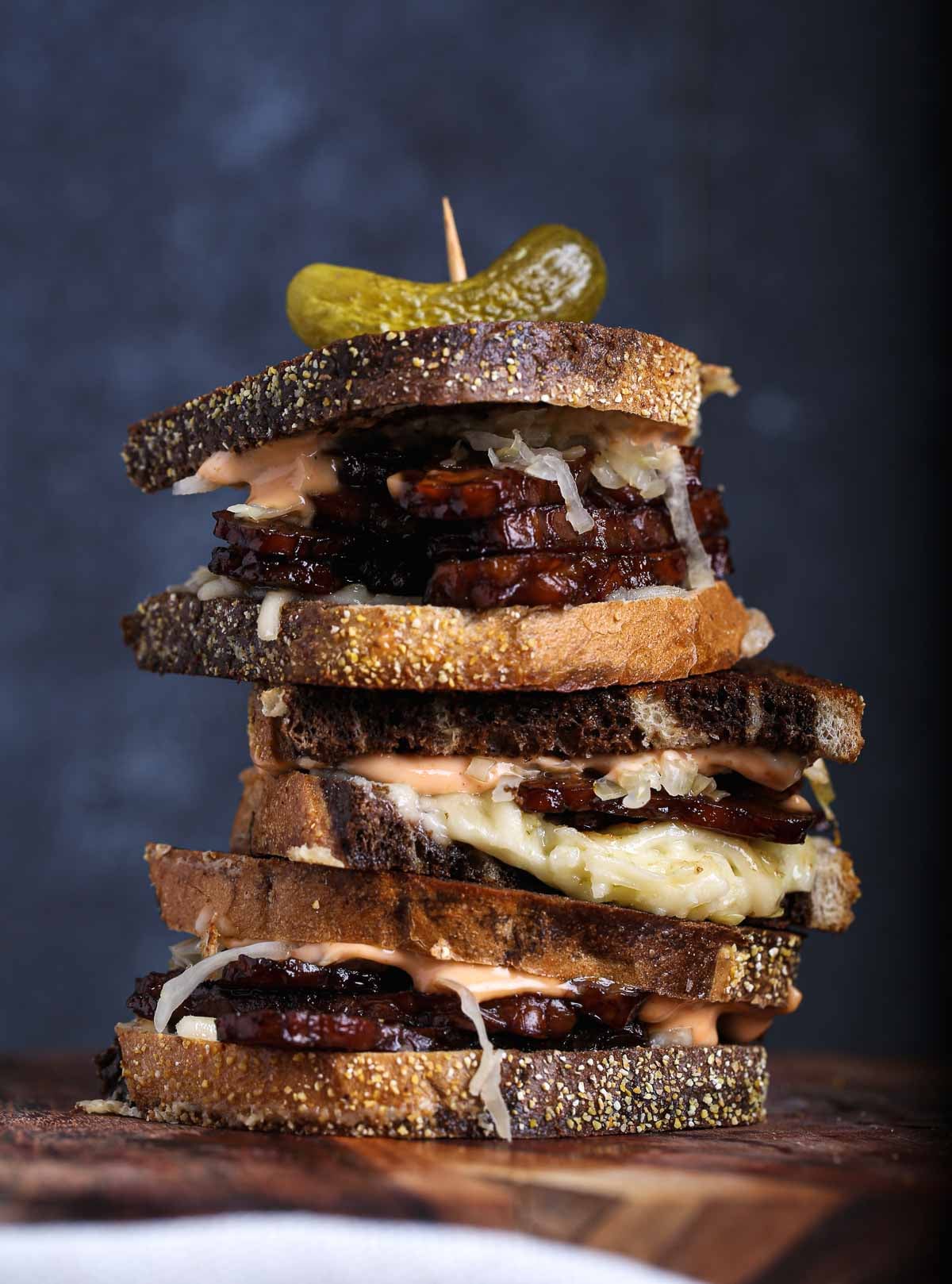
From there, it can be sliced and pan-fried or baked until the edges are crisped up and golden, or crumbled into tacos or bolognese as a ground meat substitute. Our tempeh Reuben is a good example of how a simple marinade and a hot pan can make it the star of a sandwich.
How much protein: About 16g per 1/2 cup.

Seitan
What it is: Seitan is made from vital wheat gluten—the protein that remains when the starch is washed away from wheat flour. The result is dense, chewy, and high in protein, with a neutral base that takes on seasoning exceptionally well. One important note: because it’s made entirely from wheat gluten, it’s not suitable for anyone with celiac disease or gluten intolerance.
How to use it: Seitan is at its best in dishes that feature structure and bite, like this seitan bourguignon recipe. It browns well in a hot pan, develops crispy edges, holds its shape through a long braise, and absorbs marinades and sauces like a champ. It can be bought pre-made for convenience, but it’s also very easy to make at home.
The one thing to watch: overcooking it makes it rubbery. The sweet spot is enough heat to develop color and texture without pushing it past that point. It works across a wide range of preparations—pan-seared, braised, grilled, sliced into sandwiches, or ground up for vegan tacos. For a full breakdown of techniques and recipes, check out my best seitan recipes guide.
How much protein: About 25g per 3.5 ounces (100g). The highest protein count of anything on this list.
Soy Curls
What it is: Soy Curls are made by Butler Foods from one ingredient only: whole, non-GMO soybeans. They’re dehydrated and shelf-stable, which makes them one of the most practical proteins to keep on hand. Unlike most processed meat alternatives, nothing is added or stripped away in production: the full soybean goes in, which means the fiber and protein stay intact.
How to use it: Rehydrate in warm water or broth for about 10 minutes until they plump up and soften, then drain and squeeze out the excess liquid before cooking. That step matters—soy curls that go into a pan bogged down with moisture will steam up instead of crisping (which is what you want with this ingredient.)
Once drained and pressed, they are perfect for browning in a hot pan or a baking sheet. Once crisped up, they develop a chewy, slightly crispy texture that holds up to bold sauces and glazes. They’re particularly good in dishes that traditionally feature shredded or pulled proteins—fajitas, stir-fries, tacos, and brothy noodle soups. Our Mongolian soy curls recipe is a good example of how well they hold up in a sticky, savory glaze.
How much protein: About 11g per 3/4 cup. Not the highest on this list, but soy curls can be paired with other protein-rich ingredients to boost the overall protein count.

Lentils
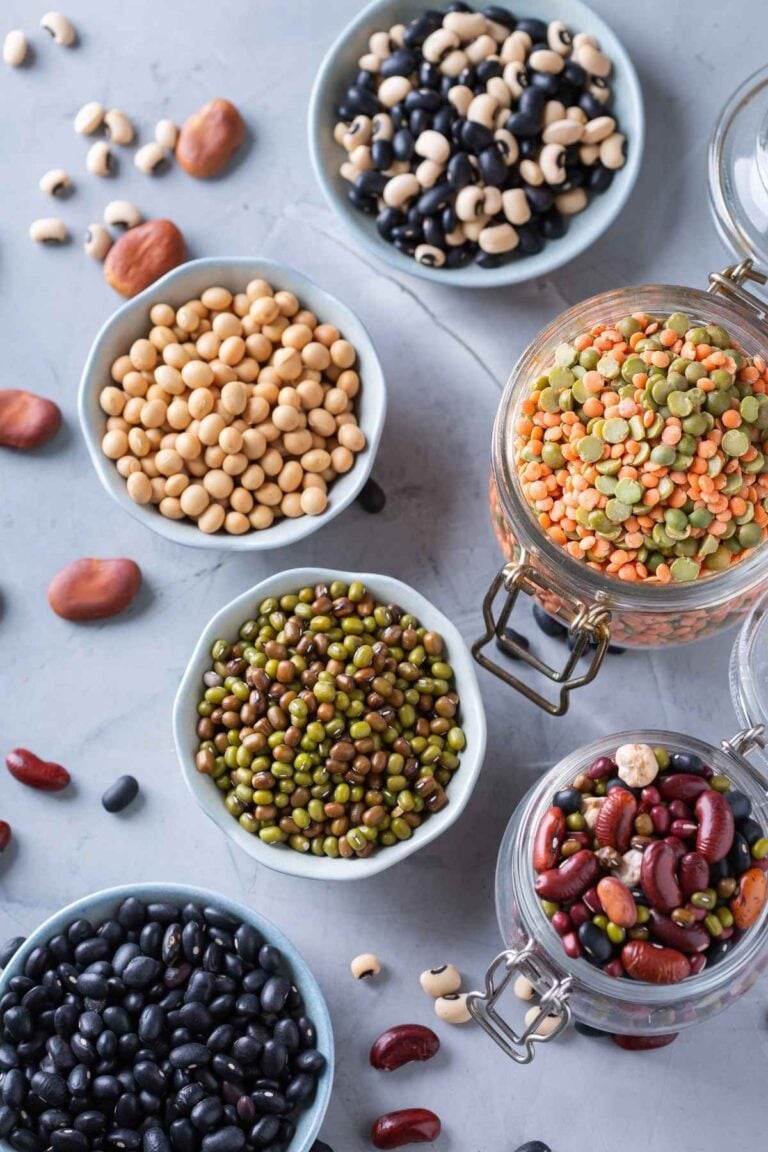
What they are: Lentils are small dried legumes that come in a few varieties—red, green, and brown being the most common. They don’t require soaking and cook faster than most dried beans, which makes them one of the more practical proteins on this list.
How to use them: Red lentils break down almost completely as they cook, thickening soups and dal into something silky and rich. Green and brown lentils hold their shape better, which makes them a better fit for salads, grain bowls, and tacos. All varieties absorb aromatics beautifully during a slow simmer. Our red lentil fritters are a good example of how much structure and flavor lentils can bring to a dish beyond soup.
How much protein: Around 18g per cup cooked.

Beans
What they are: Beans are one of the most versatile proteins in plant-based cooking: shelf-stable, widely available, and easy to build a meal around. Cooked black beans, chickpeas, kidney, pinto, and white beans all contain around 14–15g of protein per cup.
How to use them: Black beans are perfect for tacos and with rice. Chickpeas roast well and crisp up in the oven, add body to curries, and blend effortlessly into hummus. White beans are mellow and can be added to soups and stews. Beans also absorb flavors when simmered, while canned beans make prep quicker and easier. Our sweet potato black bean burgers show how well beans can hold their structure when shaped into a patty.
How much protein: Around 14–15g per cup cooked.

Edamame
What it is: Edamame are young soybeans harvested before they fully mature, which is why they’re bright green, tender, and slightly sweet rather than dry and starchy. They’re sold fresh or frozen, shelled or in the pod, and need very little prep: steam or boil, add a touch of salt, and they’re ready. Shelled edamame is the more versatile form for cooking since it folds into dishes without extra prep.
How to use it: Edamame works well as a side, tossed into grain bowls, stirred into stir-fries, or folded into salads. It can even be used to make edamame hummus. It doesn’t need much—just a little salt makes the flavor pop.
How much protein: Around 18g per cooked cup.

TVP (Textured Vegetable Protein)
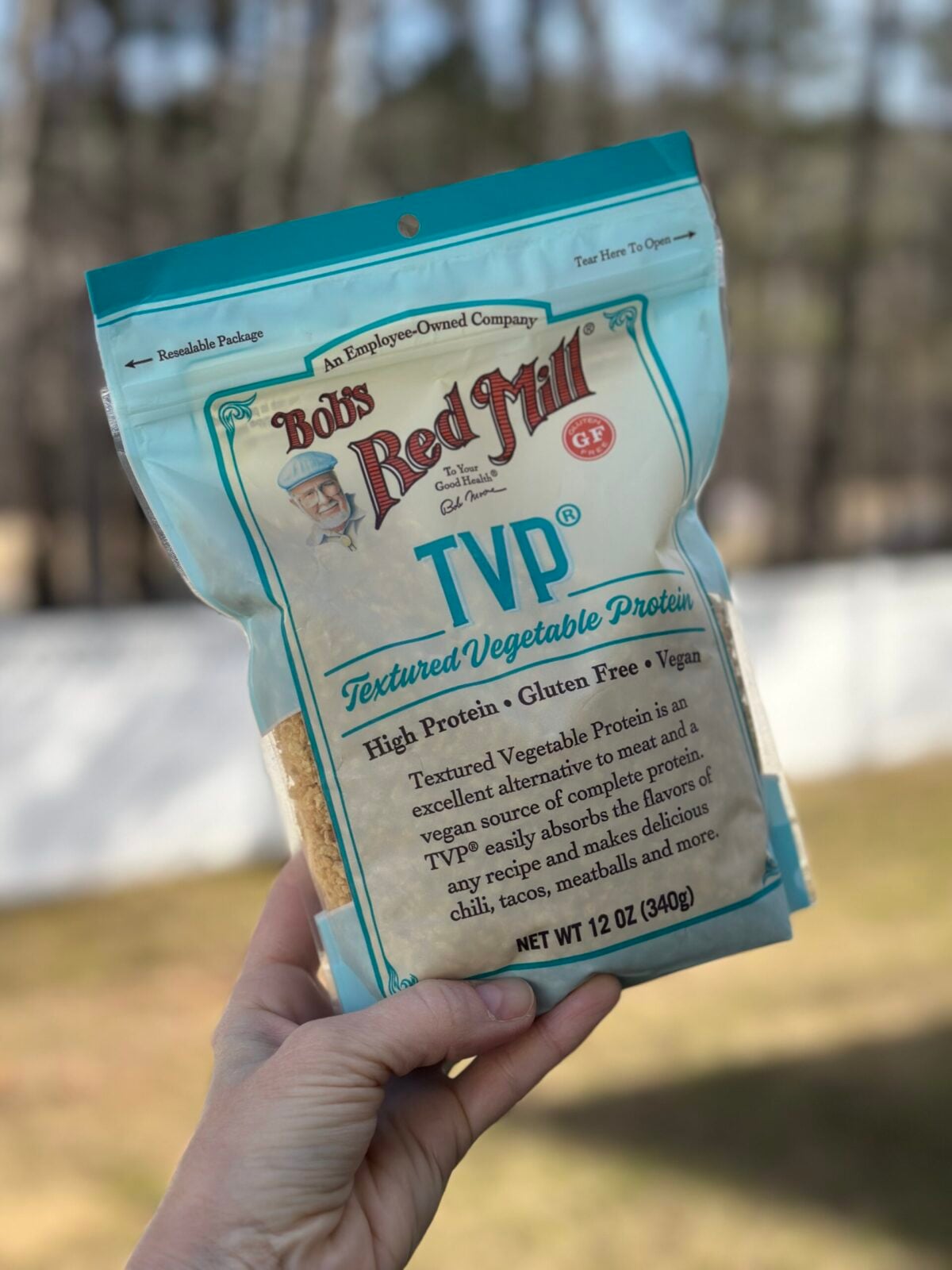
What it is: TVP is made from defatted soy flour that’s cooked under pressure, dried, and formed into flakes, granules, or chunks. It’s shelf-stable, inexpensive, and easy to keep on hand.
How to use it: Rehydrate in hot water or broth for 5–10 minutes until it plumps up, then drain and season well. TVP has almost no flavor on its own, which makes it highly receptive to bold spices and sauces. The flake and granule forms work best as a ground meat substitute in tacos, chili, bolognese, and sloppy joes. Chunk versions hold up better in stews and curries where you want more bite.
How much protein: Each 1/4 dry cup contains around 12g.
How to Build a High-Protein Vegan Meal
The proteins on this list don’t have to work in isolation. Most of the best plant-based meals pull from more than one category—a seitan braise served over lentils, crispy tofu with edamame in a grain bowl, TVP added to a taco that’s already rich with beans. When these ingredients show up together, hitting a solid protein count per meal happens easily and naturally.
If you’re looking for recipes that put these proteins to work, our high-protein vegan recipes guide is a good place to start—it pulls together dinners, lunches, and soups built around the same ingredients covered here, with protein counts listed for each dish.
FAQs
Seitan. At about 25g per 3.5 ounces (100g), it delivers the highest protein count of any plant-based ingredient. Vital wheat gluten, the main ingredient, is naturally very high in protein, which is why seitan is often the go-to for high-protein vegan cooking.
Yes. A plant-based diet built around tofu, tempeh, seitan, lentils, beans, and edamame provides plenty of protein. These ingredients deliver anywhere from 10 to 25 grams per serving, depending on the ingredient, and most plant-based meals can naturally combine more than one of them.
Tofu is made from coagulated soy milk pressed into blocks. It’s mild, versatile, and available in firmness levels from silken to extra-firm. Tempeh is made from fermented whole soybeans pressed into a dense block. It’s nuttier and firmer than tofu. Seitan is made from wheat gluten, not soy. It’s the most dense and chewy of the three, but not suitable for anyone with celiac disease or gluten intolerance. All three absorb marinades well, but each behaves differently enough in the kitchen that they’re not interchangeable.


I love your blog Erin. Thank you for all you give. Love your recipes. Thank you!
Hi Deb,
Well, this made my day. I’m so happy you love the blog, and so happy you are here!