
All tofu types behave differently once heat and liquid come into play. Understanding how each type behaves makes it easier to plan ahead and get the texture you’re actually after—whether that’s silky, tender, or crisp.
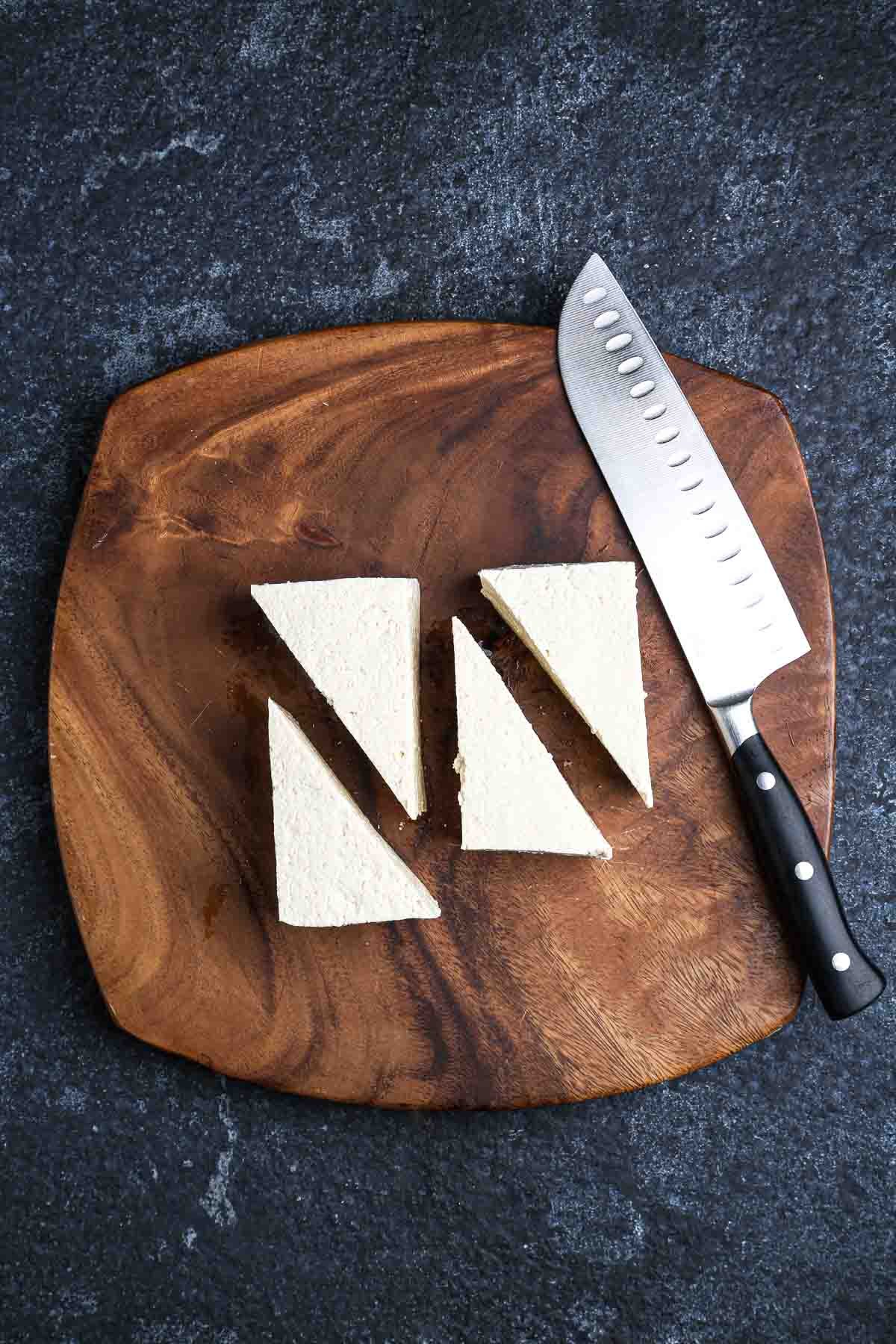
If you’ve ever stood in front of the tofu case holding a block and thinking, okay… now what?—welcome. Between silken, soft, firm, extra-firm, and super-firm, tofu types can feel oddly high-stakes for something that’s supposed to be dinner. If you’re new to tofu (hi!) or ready to branch out beyond the one you always buy, you’re in the right place.
This guide breaks down the different types of tofu by how they behave once heat, liquid, and movement enter the picture. We’ll walk through what each one does best, when it works beautifully, and when it tends to fall apart—so choosing tofu feels less like a guess and more like an easy win.
What Is Tofu?
Tofu is made by coagulating soy milk into curds and setting them into a solid form, similar to how cheese is made. Some tofu is pressed into blocks, while other types are set gently without pressing. That difference in how tofu is formed is what creates the range of textures you see at the store.
Types of Tofu (From Silken to Super-Firm)
Here’s a quick rundown of the main tofu types you’ll typically see at the store, moving from the softest to the firmest. Below, you’ll find a deeper breakdown of how each one behaves once you start cooking with it.
Silken tofu
- Texture: Custardy, very soft
- Best for: Blending, sauces, desserts, gentle soups
- Avoid: Frying, pressing, aggressive stirring
Soft tofu
- Texture: Tender, delicate
- Best for: Soups, braises, gentle simmering
- Avoid: High heat, long cooking, tight cubing
Medium / medium-firm tofu
- Texture: Plush, lightly structured
- Best for: Curries, saucy dishes, braises
- Avoid: Hard pan-frying, frequent flipping
Firm tofu
- Texture: Sliceable, tender inside
- Best for: Stir-fries, scrambles, quick sears
- Avoid: Crowded pans, low heat
Extra-firm tofu
- Texture: Dense, sturdy
- Best for: Frying, baking, air frying, grilling
- Avoid: Adding sauce too early
Super-firm / high-protein tofu
- Texture: Very dense, dry
- Best for: Slicing, grating, skewers, quick sears
- Avoid: Long marinades, pressing
All tofu starts from the same place—what changes is how much water gets pressed out. More water = softer, more delicate tofu. Less water = firmer tofu that browns better and holds its shape. And before we go type-by-type, let’s clear up the most common shopping snag: firm vs. extra-firm.
Firm vs. Extra-Firm Tofu (Why This Can Feel Confusing)
Firm vs extra firm tofu: what’s the difference?
Extra-firm should be firmer than firm, right? Right? Not always. Tofu firmness labels aren’t standardized, so what matters more than the name on the package is how the tofu actually behaves once you open it.
Generally speaking, firm tofu has a little more moisture and a softer bite, while extra-firm tofu is drier and sturdier, which makes it easier to brown and less likely to break apart. But brand to brand, those lines blur fast. One company’s “firm” can cook exactly like another’s “extra-firm.”
One quick shopping shortcut: if the tofu is vacuum-sealed or labeled super-firm / high-protein, it’s already been pressed harder than others. Translation: less water, more structure, faster browning.
So instead of overthinking the name, choose based on what end result you are looking for. Softer, more delicate bites? Go firm. Crisp edges and zero crumbling stress? Extra-firm is your friend.
With that in mind, here’s how each tofu type behaves once you start cooking.

Silken Tofu (The Softest Tofu Type)
Silken tofu behaves very differently from other tofu types once you start cooking with it. Because it holds so much moisture and has a fragile structure, it doesn’t brown, crisp, or firm up—instead, it stays soft and creamy, even when heated.
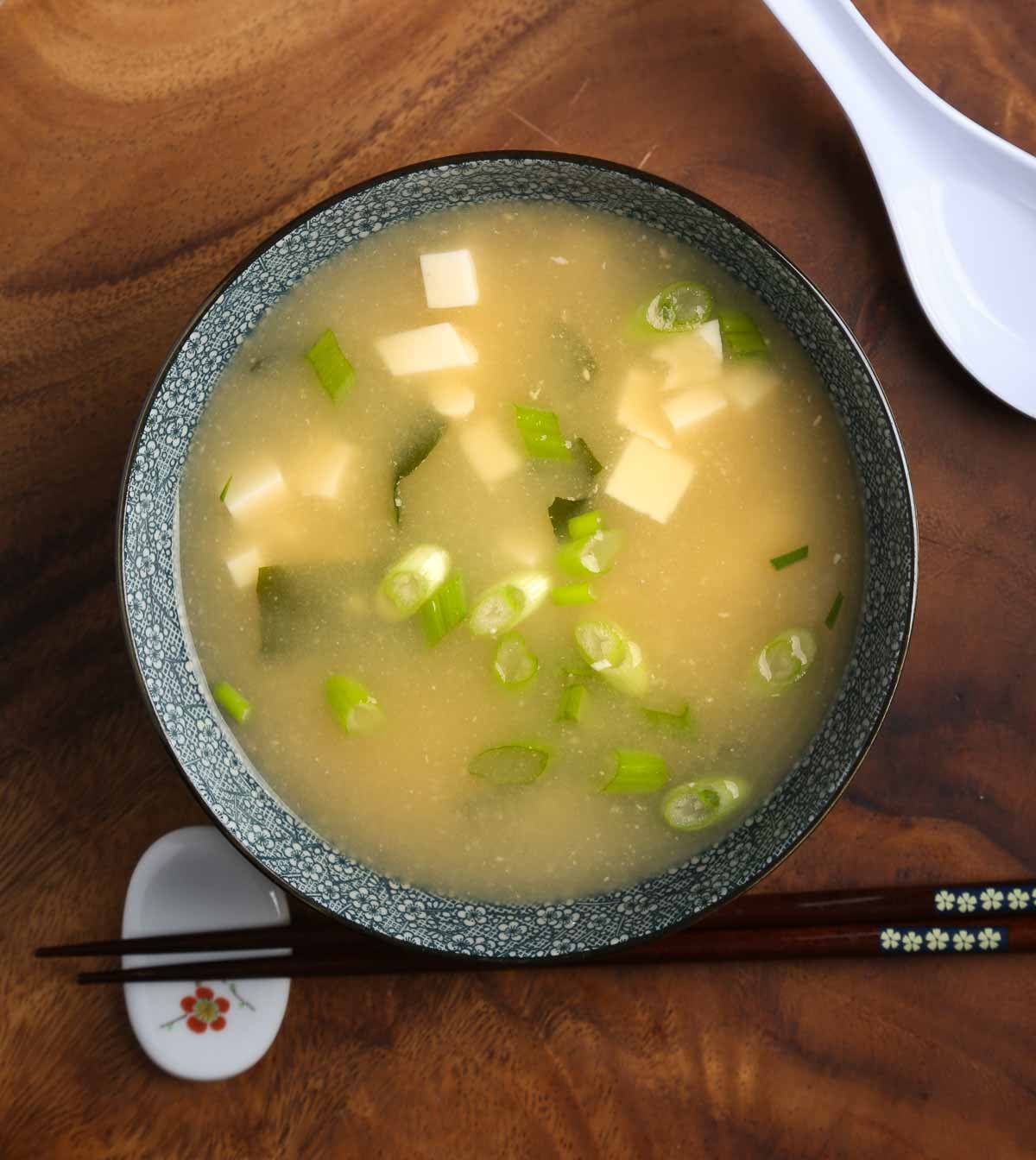
- What it’s best for: Silken tofu shines anywhere you want creaminess without heaviness. Think blended sauces, dressings, smoothies, puddings, mousses, silky soups, and even ravioli dough. It also works beautifully in gently heated dishes, like miso soup, steamed tofu, or soft braises, where it’s added at the end and left mostly undisturbed.
- Common mistakes: The most common issue with silken tofu is treating it like firm tofu. Pressing it, trying to crisp it, or tossing it aggressively in a pan almost always ends in crumbles. High heat and lots of movement are not its friends.
- How to use it: Skip pressing altogether and simply drain off excess liquid. For blended uses, keep it cold and let the blender do the work. If you’re heating silken tofu, warm it gently and add it late in the cooking process, gently moving it around rather than stirring it. Think of it as something that needs to be gently warmed instead of browned.
- Select when: You want smooth, creamy, or tofu that is designed for a spoon.
Soft Tofu (Best for Soup and Gentle Simmering)
Soft tofu sits right between silken and medium tofu on the texture spectrum. It’s tender and delicate, but with just enough structure to hold its shape a bit better than silken when handled carefully. It stays soft and custardy under gentle heat, provided it’s handled with a soft touch.
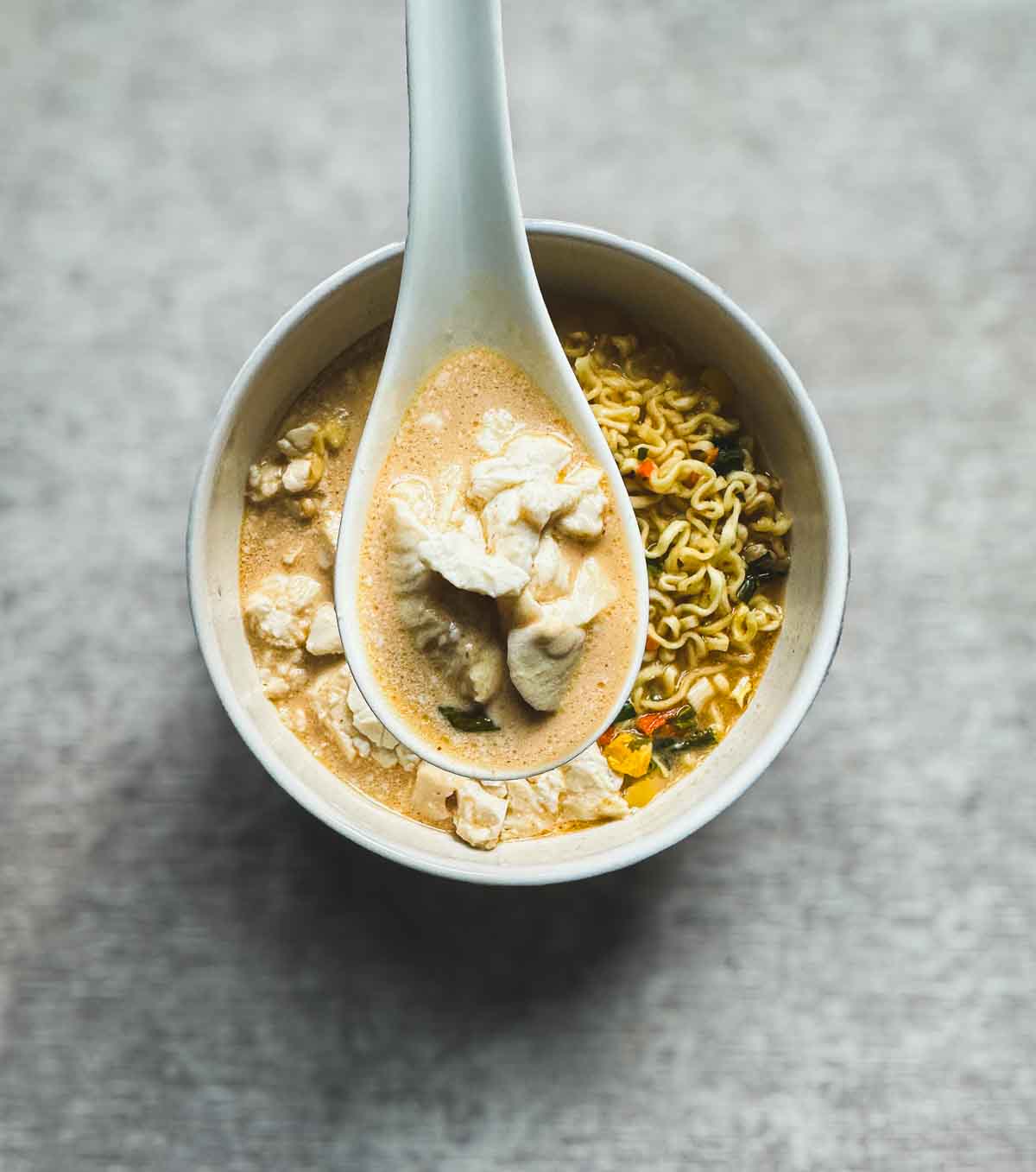
- What it’s best for: Soft tofu is ideal for soups and gently simmered dishes where you want the tofu to feel light and comforting instead of dense. Think ramen, hot pots, stews, and brothy braises like Mapo tofu where the tofu absorbs flavor without taking over the dish. If you’re looking for the best tofu for soup, this is one to choose.
- Common mistakes: The biggest issue with soft tofu is treating it like firm tofu. Aggressive stirring, tight cubing, or adding it too early in a long simmer can cause it to break apart or dissolve into the broth.
- How to use it: Cut or crumble soft tofu into larger pieces. Add it toward the end of cooking, and instead of stirring, gently spoon or ladle broth around it. Let the heat warm it through without fiddling with it too much.
- Select when: You want tofu that feels soft, comforting, and soothing—something meant to be warmed, and enjoyed for its texture.
Medium / Medium-Firm Tofu (Tender Texture, Loves Sauces)
Medium and medium-firm tofu shine in dishes where moisture is part of the plan. Rather than fighting heat, they soften into sauces and braises, picking up flavor while keeping their shape.
- What it’s best for: This is a great choice for simmered dishes and saucy braises—anything where the tofu is meant to soak up flavor and mingle with liquid. Think curries, stews, tomato-based dishes, or gently braised tofu where the sauce is the star and the tofu plays a supporting role.
- Common mistakes: The biggest misstep is expecting medium-firm tofu to behave like firm tofu in a skillet. Pan-frying it hard or flipping it too early often leads to sticking, tearing, or frustration. It’s not built for aggressive heat or lots of movement.
- How to use it: Lean into liquid-forward cooking. Add medium or medium-firm tofu to sauces, broths, or braises and let it warm through slowly. Handle it minimally, turn it gently if needed, and let the sauce do most of the work.
- Select when: You want tofu that stays tender but still holds its shape better than soft, absorbs flavor easily—especially when the dish is all about the sauce.

Firm Tofu (The Most Versatile Tofu Type)
Firm tofu has enough structure to move around a pan without falling apart, but still enough moisture to stay tender once it’s cooked. That balance makes it a solid default choice, especially for stir-fries and quick skillet cooking. If you aren’t sure which type to start with, this is the one.
- What it’s best for: Firm tofu works well in stir-fries, quick sears, and tofu scrambles—any situation where the tofu needs to hold its shape while picking up flavor from sauces or seasonings. If you’re cooking tofu for a stir fry and want a tender interior with some surface browning, firm tofu is usually the right call.
- Common mistakes: Most problems with firm tofu come from crowding the pan or cooking over low heat. Too many pieces at once cause steaming instead of browning, and moving the tofu too early can keep it pale and soft.
- How to use it: Blot the surface dry before cooking, then use a hot pan and give the tofu space. Let it sit long enough to brown before flipping. Firm tofu responds well to restraint—fewer pieces, higher heat, and less movement.
- Select when: You want tofu that’s versatile, forgiving, and well-suited to fast, weeknight cooking—especially when browning matters but density doesn’t need to be extreme.
Want the fastest way to cook firm tofu? If speed is the goal, this is my go-to method.

Extra-Firm Tofu (Best Tofu Type for Crispy Edges)
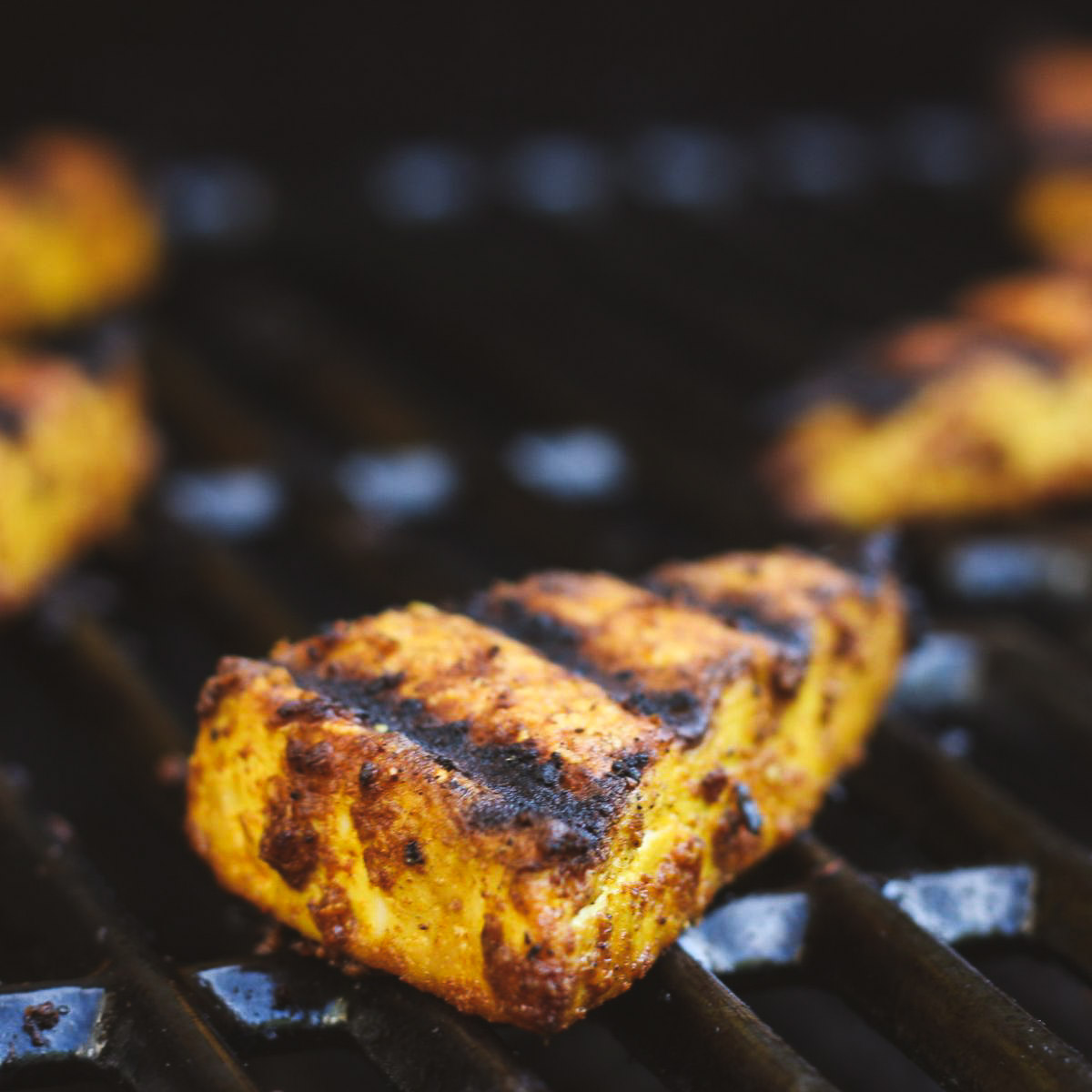
Extra-firm tofu is the one you reach for when texture really matters. It contains less water than firm tofu, which means it can handle higher heat and more movement without falling apart. That’s why it’s often the best tofu for frying—it browns well, crisps up like a champ, and holds its shape in everything from skewers to baked cubes.
- What it’s best for: Extra-firm tofu shines in frying, baking, air frying, grilling, and any situation where you want defined edges and a sturdy bite. It’s a great choice for crispy tofu bowls, skewers, and high-heat stir-fries where the tofu needs to hold up under sauce and tossing.
- Common mistakes: The biggest issue is adding sauce too early. Extra-firm tofu will steam instead of brown if the pan is crowded or liquid is introduced before it has a chance to sear. Another common expectation mismatch: long marinades don’t penetrate deeply unless the tofu is torn, frozen, or otherwise prepped for absorption.
- How to use it: Start dry. Blot or lightly press to remove surface moisture, then cook it in a preheated pan so it can brown properly. For maximum crispiness, toss lightly with cornstarch before cooking. Once you’ve got golden edges, then add sauce or glaze and let it cling instead of soaking in. Think: brown first, flavor second.
- Select when: You want crisp edges, solid structure, and tofu that behaves predictably under high heat—especially for frying, baking, or anything where crunch is the goal.

Super-Firm / High-Protein Tofu (No Pressing, Different Marinating Rules)
Super-firm tofu—often labeled high-protein tofu—is a different kind of tofu. It’s extremely dense, usually vacuum-sealed instead of packed in water, and contains very little moisture. That’s why it looks and behaves differently from other tofu types straight out of the package.
- What it’s best for: This tofu is all about structure. It’s great for slicing, shredding, or grating, skewering, and quick sears where you want the tofu to hold its shape with zero fuss. If you’ve seen vacuum-sealed “high-protein tofu” at Trader Joe’s, that’s a common example of this style—very dry, sturdy, and ready to cook straight from the package.
- Common mistakes: The biggest mismatch is treating super-firm tofu like a marinade sponge. Because it’s so dense, long marinades mostly coat the outside while the center stays bland—especially if you cut it into thick cubes. Pressing is another unnecessary step as there’s simply no water left to remove.
- How to use it: Skip pressing entirely. Instead, change the shape. Tear it into rough chunks, grate it, or slice it thin so more surface area is exposed. Cook it quickly over high heat, then finish with sauce or glaze at the end so flavor clings where it counts. You can freeze and thaw super-firm tofu if you want a spongier texture, but most of the time it shines best as-is.
- Select when: You want maximum structure with minimal prep, clean slices, and the firmest structure of them all.
More Tofu Types (and How They Behave)
Tofu doesn’t start and end with silken and super-firm. Alongside standard tofu blocks, you may see a few other tofu and tofu-adjacent products.
- Fried bean curd (aburaage/inari): These are thin sheets of tofu that are lightly fried, giving them a soft interior and a porous, slightly chewy exterior. They’re great in soups where they soak up broth, or stuffed and seasoned for inari-style sushi pockets.
- Yuba (tofu skin): Made from the delicate skin that forms on heated soy milk, which is carefully lifted off and dried or sold fresh. Yuba has a sort of chewy texture and works well sliced into ribbons, or used in stir fries.
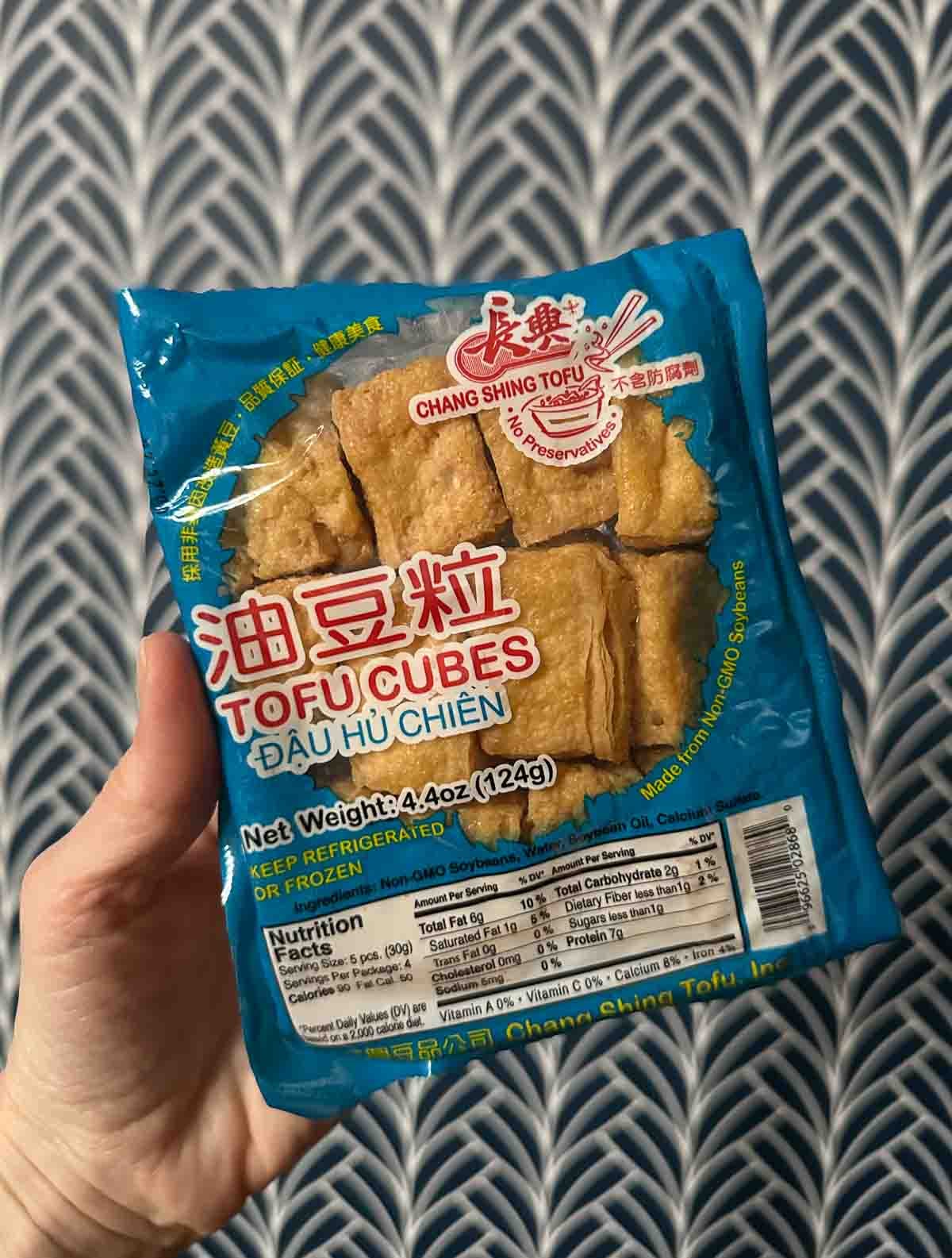
- Tofu puffs: Small, airy cubes of fried tofu with a hollow center. These act like sponges, making them ideal for ramen, soup, stews, and saucy dishes where texture and absorption are the goal.
Can You Freeze Tofu?
Yes—you can freeze tofu. Freezing changes tofu’s texture in a way that improves absorption.
When tofu freezes, the water inside it expands into ice crystals. Once thawed, that water drains out, leaving behind a more open, sponge-like structure. The result is tofu that’s chewier, more porous, and much better at soaking up sauces.
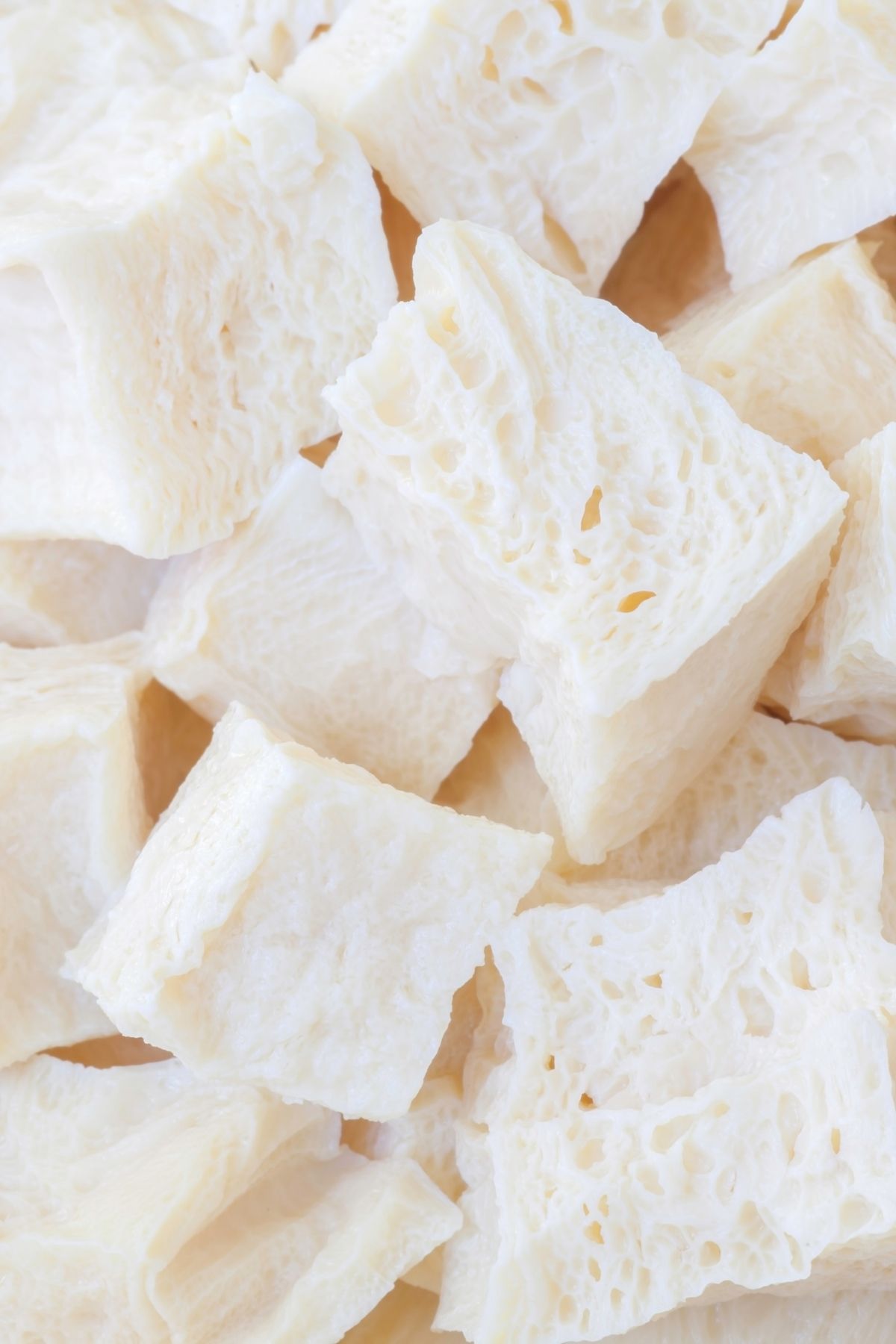
- What freezing does: Freezing turns tofu from soft and uniform into something with pockets and bite. It won’t magically make tofu crispy on its own, but it will help it absorb marinades and sauces more effectively and develop a more textured chew once cooked.
- Best tofu types for freezing: Firm, extra-firm, and super-firm tofu handle freezing best. They have enough structure to survive the freeze-thaw cycle without falling apart, and they benefit the most from the texture change. This is especially helpful if you want tofu that drinks up sauce or holds its own in stir-fries and braises.
- When not to freeze tofu: Skip freezing silken and soft tofu. They rely on their smooth, custardy texture, and freezing destroys that—leaving you with something grainy and watery instead of creamy.
- How to use frozen tofu: Freeze the tofu right in its package; just drain it first. Thaw completely and gently squeeze out as much water as you can to maximize texture and absorption.
One last note if marinades are your goal: if you’re freezing tofu specifically to help it soak up flavor, surface area matters more than pressing. Tearing or grating tofu creates more nooks and crannies than a perfectly pressed block ever will. If you’re marinating unfrozen tofu, that’s where pressing comes back into play.
What to Do With Tofu Once You’ve Chosen It
Once you’ve chosen the right tofu type, the rest comes down to a few small prep decisions that have a big impact on texture. These aren’t rules so much as levers—what matters depends on the tofu you’re using and how you want it to behave. Here are the ones that matter most:
- Pressing tofu: Pressing is about removing excess surface water, not automatically making tofu “better.” Firmer tofu benefits most when you’re aiming for browning or crisp edges, while soft and silken tofu shouldn’t be pressed at all. If your tofu is already vacuum-sealed or labeled super-firm, pressing is usually unnecessary. Check out our guide on how to press tofu for maximum marinade absorption!
- Blotting and surface moisture: Blotting is about drying the outside, not changing the inside. Even unpressed tofu can brown well if surface moisture is removed before it hits a hot, preheated pan.
- Sauce timing: Sauce early = steaming. Sauce late = glazing.
- If crisp edges matter: Let the tofu brown first, then add sauce at the end. Softer tofu types work best when heat stays gentle and movement is minimal—add them late and let them warm through without stirring aggressively.
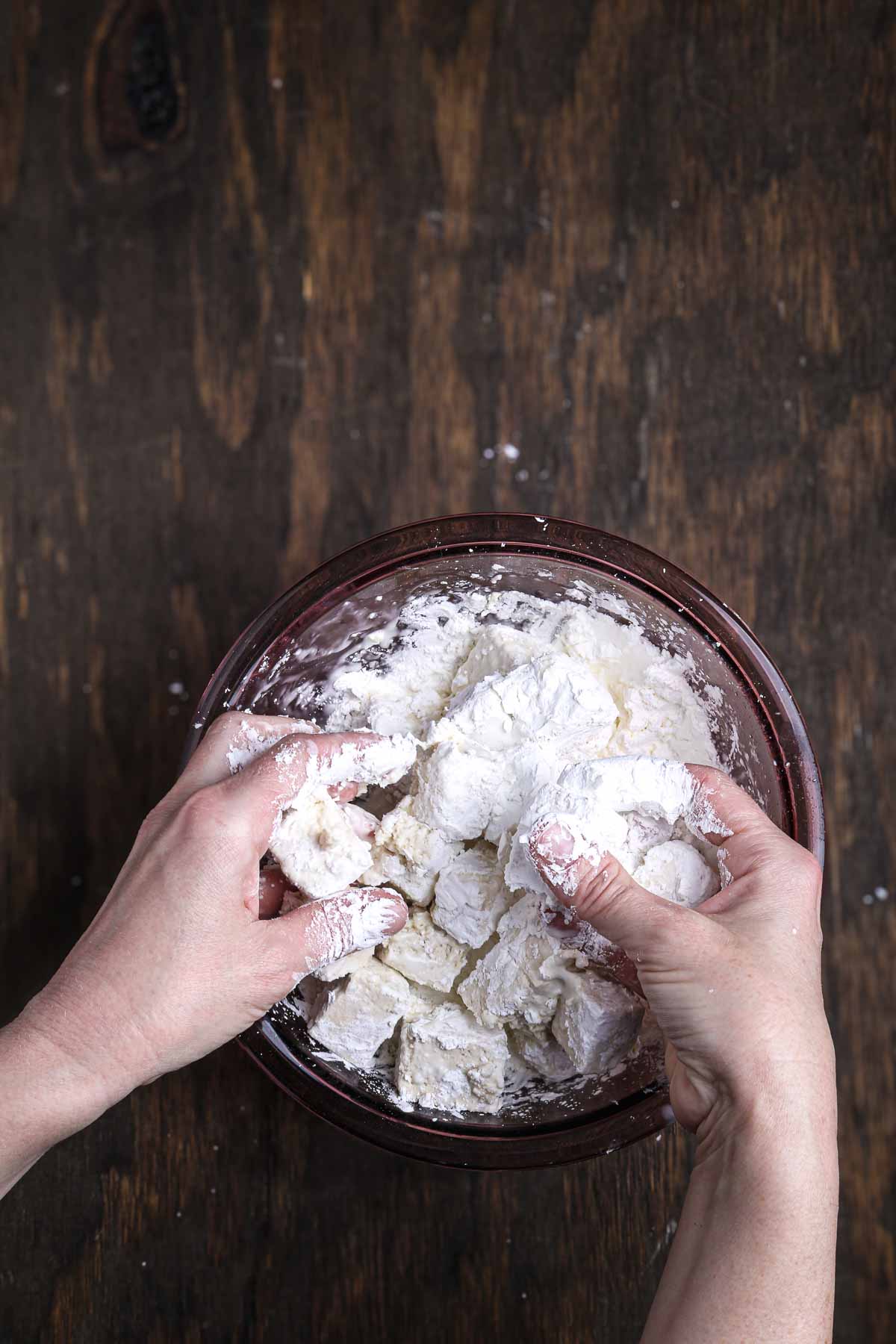
- Cornstarch and coatings: Cornstarch is a texture tool. A light coating helps firm or extra-firm tofu crisp faster and hold a crunchy exterior. It’s especially useful for frying or baking when you want structure without heaviness.
- Storage matters: Always keep tofu refrigerated. If you’ve ever stood at the fridge wondering if it’s still good, our tofu expiration guide breaks it down.
FAQs
Yes. Freezing tofu makes it more porous and textured, allowing it to soak up sauces or marinades more effectively. Freeze medium, firm, or extra firm tofu for best results. Using soft or silken tofu types shouldn’t be frozen as it breaks down their smooth texture.
No, pressing tofu is optional. Pressing helps firm and extra-firm tofu brown better and absorb marinades more evenly, but soft and silken tofu shouldn’t be pressed at all, and super-firm tofu is already dry enough to skip it. Think of pressing as a tool you use for certain dishes, not a rule you follow every time.
Choose based on texture, not the label. Firm tofu has more moisture and stays tender inside, while extra-firm tofu is drier and sturdier, making it easier to brown and fry. If you want softer bites, go firm. If crisp edges matter, extra-firm is the safer choice.
Firm or extra-firm tofu work best for stir-fry. Firm tofu gives you a tender interior with some browning, while extra-firm tofu delivers more structure and crisp edges. In both cases, a hot pan and enough space matter more than the exact tofu you choose.
So… Which Tofu Should You Use?
Now that you’ve seen how the different types of tofu behave, choosing one gets a lot simpler. It’s less about rules and more about texture — soft and gentle for soups, firm and sturdy for stir-fries, crisp-ready when frying is the goal. Once you match the tofu to the dish you’re making, the rest tends to fall into place.
Now that you know all about the different types of tofu, check out our Tofu Recipe Guide for tons of ideas and inspiration!




This answers questions I’ve had for years, thank you!