
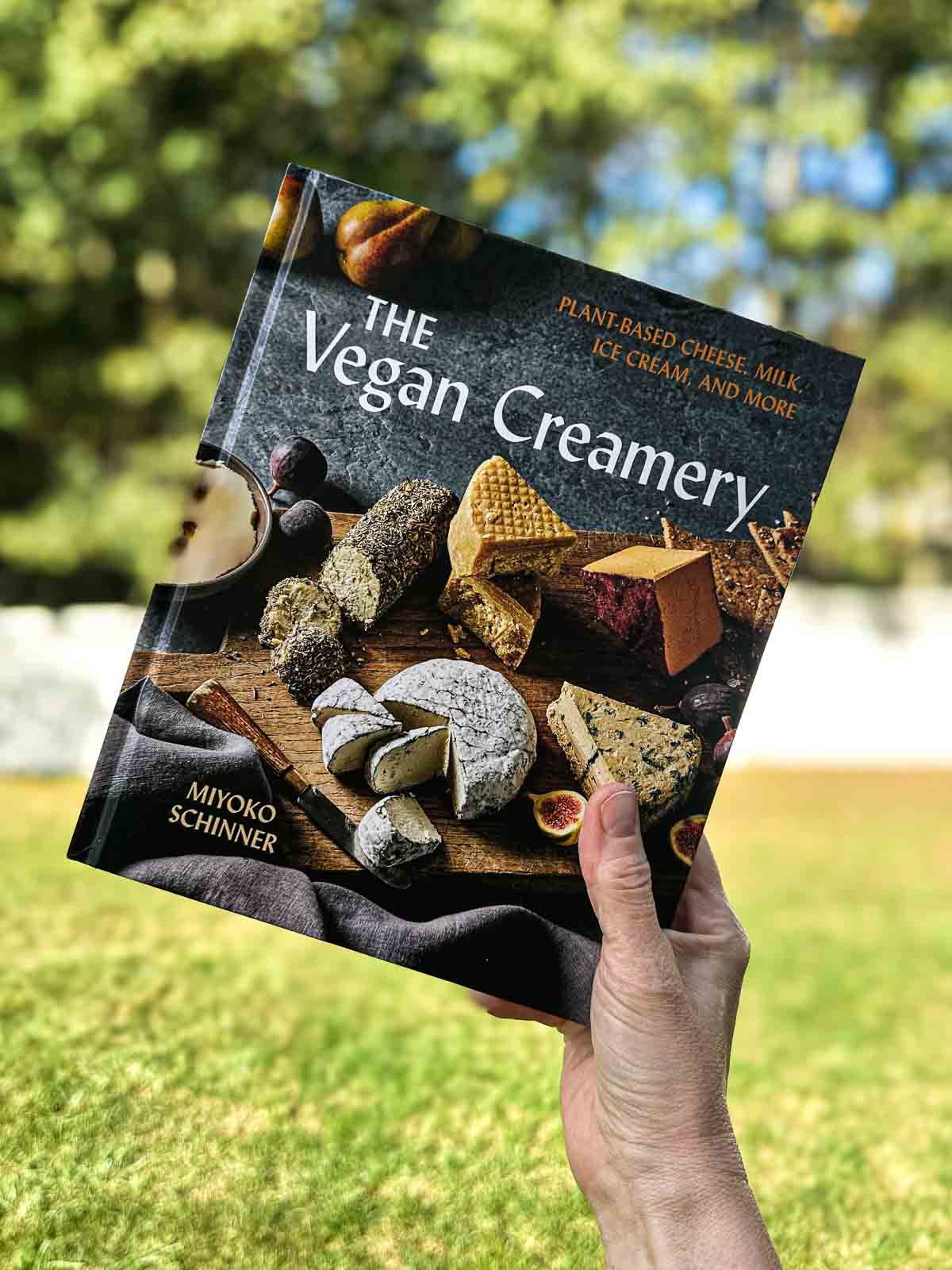
This phenomenal cashew cheese recipe from The Vegan Creamery by Miyoko Schinner is a smooth and creamy umami bomb. If you’re new to vegan cheesemaking or just curious about the process, you’ll love this spread!
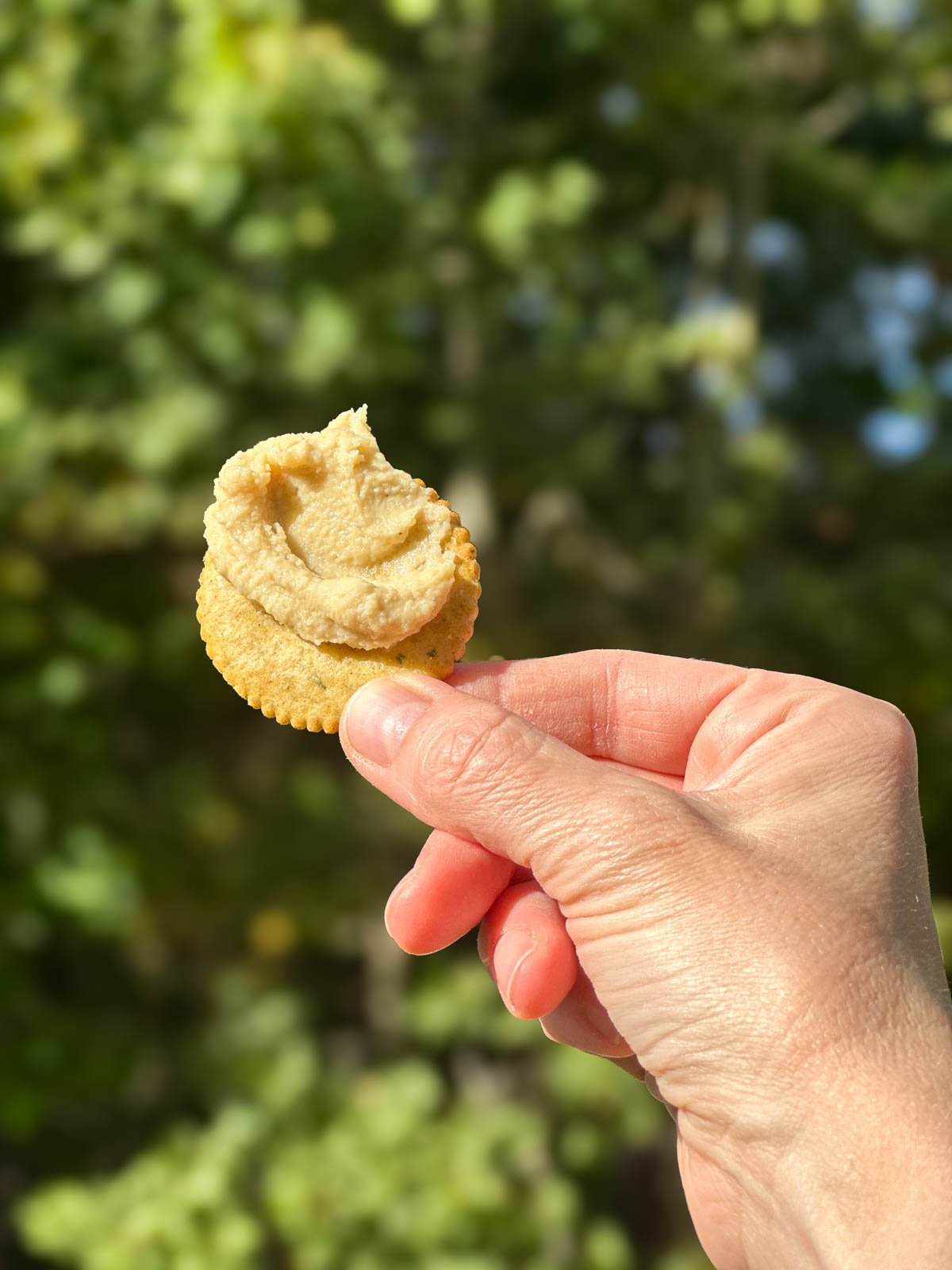
I’ve been making Miyoko Schinner’s cheeses for years. Her air-dried Camembert from Artisan Vegan Cheese is one of my all-time favorites. I’ve been making it since 2012, a year after I started this blog. Making Miyoko’s vegan cheese is like waiting for dough to rise: you leave it alone, and time does the magic. Each batch is a little science experiment, and I love to see the aroma and texture develop day by day, until it turns into something creamy, tangy, and full of umami to spread over crackers, grate onto pasta, or melt across a pizza.
Her new book, The Vegan Creamery, feels like the next, more refined chapter in her story—and her foundational cashew cheese recipe fires on every cylinder. Sure, it takes time, but it’s mostly hands-off (like many of her best fermented recipes). That time’s going to pass anyway, so you may as well end up with a homemade cheese at the end of it. You start with raw cashews and end up with something smooth, layered, and quietly complex.
Beyond the ease and curiosity, what hooked me most were the ingredients I hadn’t used—or even heard of—before: shio-kōji and mesophilic/thermophilic cultures, the quiet engines behind Miyoko’s approach to umami and fermentation in this recipe. They lit up my inner food nerd and made me want to dig deeper into how vegan cheese actually works. If you’ve ever wondered how culturing vegan cheese happens, or how a handful of ingredients can turn into something rich and alive with time, this is the recipe to start with.
Why You’ll Love This Cashew Cheese
If you’ve got a blender and a warm spot on your counter, you can make vegan cheese that tastes like it was made by a pro (you). This one from The Vegan Creamery starts simple: raw cashews, salt, nutritional yeast, and a little rejuvelac—or a mesophilic/thermophilic culture, which works a bit like a sourdough starter for cheese, quietly building that gentle tang as it rests.
The wildcard ingredient here is the shio-kōji. This new-to-me ingredient gives this cheese its umami punch and a complex depth that keeps you coming back for that second scoop or schmear. For full recipe instructions to Miyoko’s recipe, scroll to the end of this post!
Key Ingredients
Making this cashew cheese from The Vegan Creamery doesn’t take much—just a few ingredients that work together to create something rich, tangy, and alive with flavor. Each one brings its own role to the table, from texture to tang to umami. Here’s what makes them essential.
- Raw Cashews: The base of this vegan cheese, cashews blend into a smooth, buttery purée that ferments beautifully. Their mild flavor gives the culture space to shine, while their natural fats create that creamy, spreadable texture.
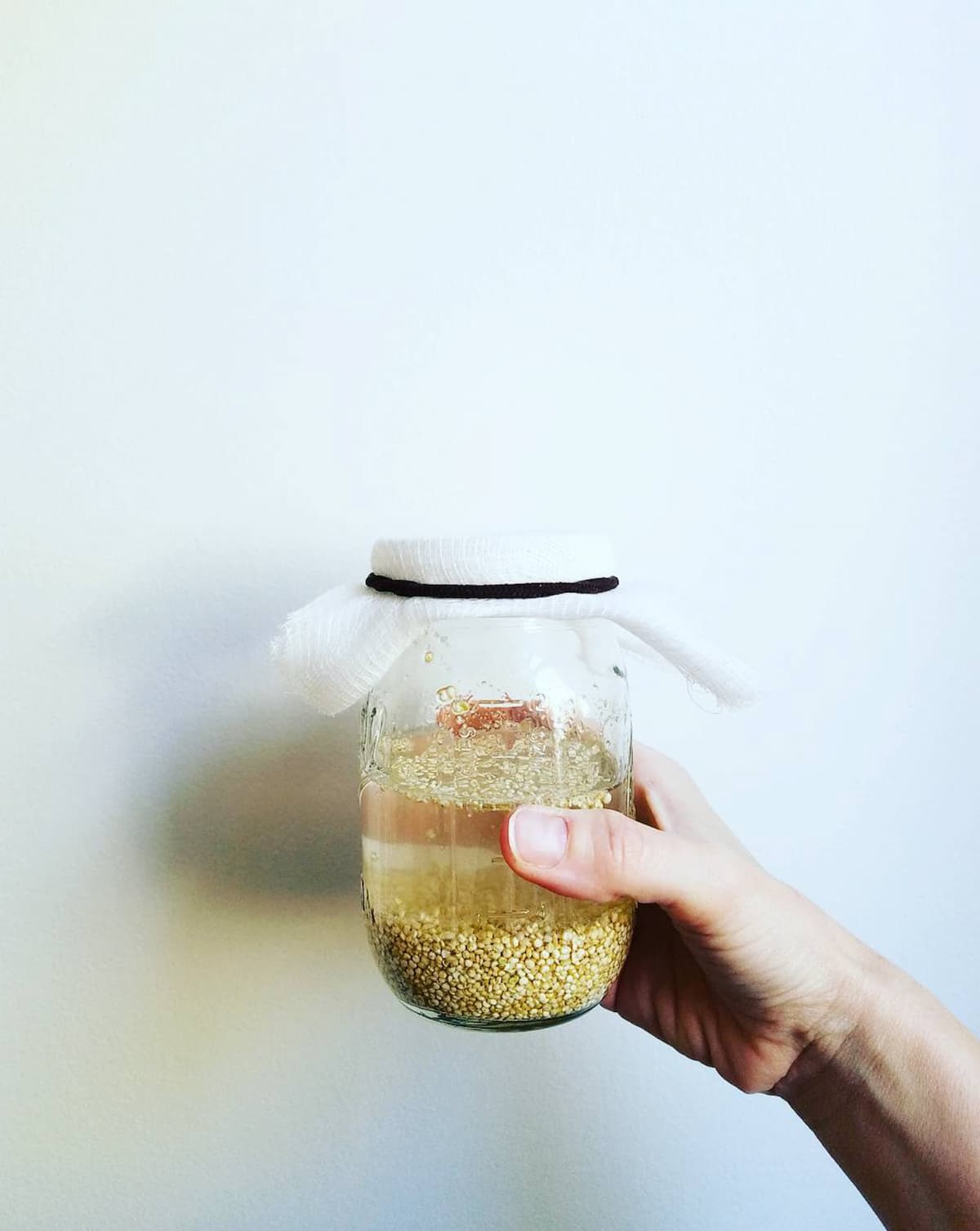
- Rejuvelac (or Mesophilic or Thermophilic Culture): This is what starts the fermentation process. I used homemade rejuvelac, which is a lightly fermented liquid made from sprouted grains (I used quinoa). In this recipe, you can alternatively use mesophilic or thermophilic cultures, which are cheesemaking starters that can be purchased online. As the mixture rests, those cultures introduce beneficial bacteria that slowly acidify the cashew base, developing tang and depth over time.
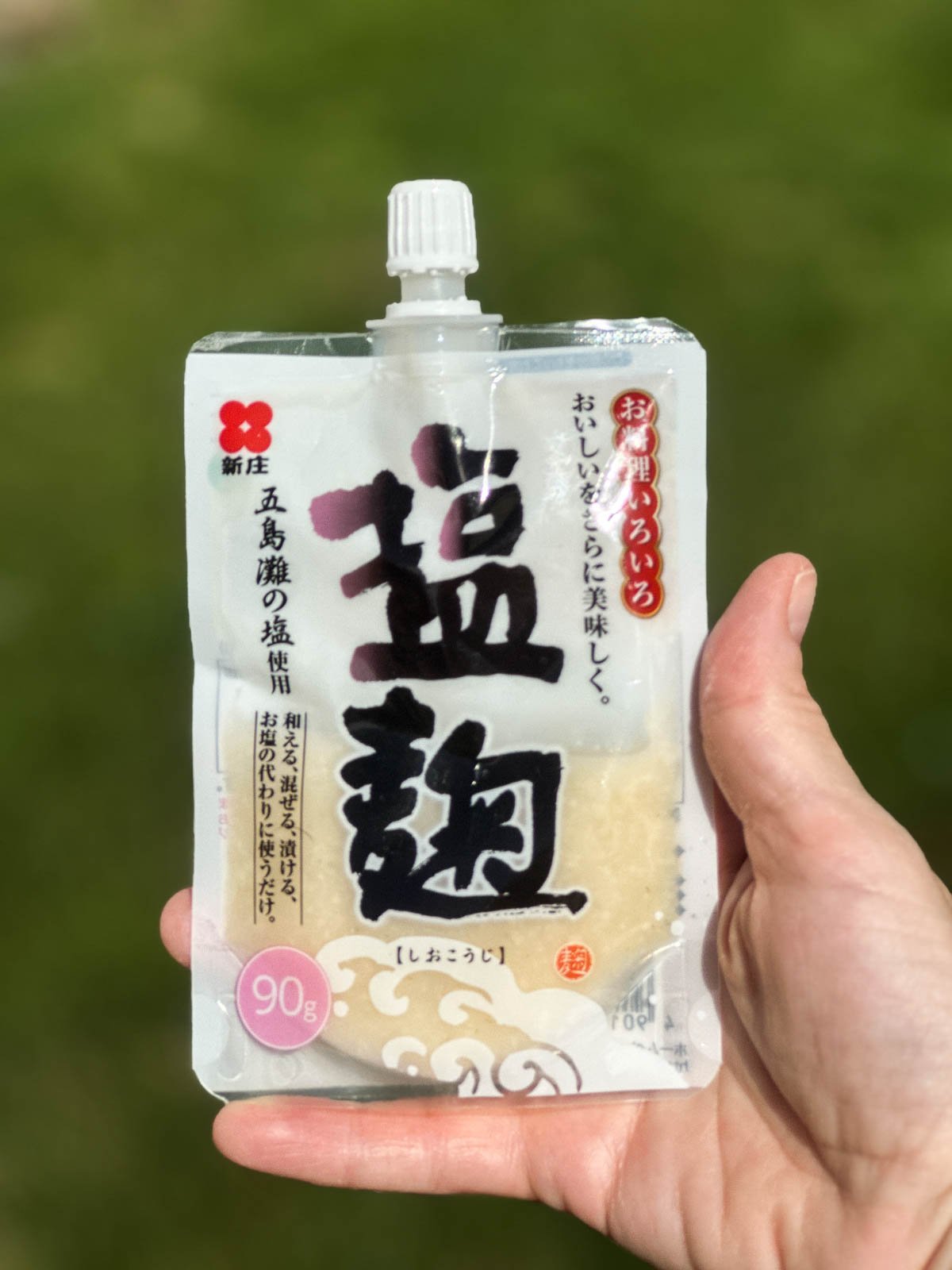
- Shio-kōji: Made from rice kōji, salt, and water, this fermented seasoning adds umami and complexity without overpowering. It’s used to deepen flavor and support fermentation, and here it gives the cashew cheese its subtle, savory edge.
- Nutritional Yeast: A vegan classic for a reason. Nutritional yeast adds that savory, cheesy note and rounds out the flavor. It’s not the main driver of tang here—that’s the culture’s job—but it gives the finished cheese its mellow, nutty edge.
- Sea Salt: Simple but crucial. Salt enhances everything else: it balances acidity, sharpens umami, and keeps the flavor from drifting too mild. Use a fine sea salt so it dissolves easily into the mixture before fermentation starts.
What Are Mesophilic and Thermophilic Cultures?
Both mesophilic and thermophilic cultures are blends of beneficial bacteria used to ferment and flavor cheese. They’re often called “starter cultures” because they set the process in motion, transforming a smooth nut base into something tangy and alive. You can also use homemade rejuvelac in this recipe—it’s simple to make, and Miyoko explains how in her book.
The word mesophilic breaks down into meso (middle) and philic (loving)—these cultures “love” moderate, cozy conditions. They’re commonly used in recipes that ferment slowly on the counter or in a warm spot, like this cashew cheese.
Thermophilic comes from thermo (heat) and philic. These cultures prefer warmer conditions and are often used in cheeses that need a bit more heat during fermentation.
You can find vegan versions of both at The Cheesemaker and other cheesemaking suppliers—just look for “non-dairy” or “vegan-friendly” on the label.
How To Serve
This cashew cheese from Miyoko Schinner’s The Vegan Creamery is the kind of thing you’ll keep finding new uses for. It’s creamy, tangy, and just funky enough to make anything it touches feel a little more special. Here are some ways to use it:
- Spread on crackers or crostini: A classic. Use seeded crackers, toasty crostini, bagels, or slices of warm focaccia.
- Add to a vegan cheese board: Pair it with grapes, olives, toasted nuts, or jam. The balanced flavor contrast—sweet, salty, creamy, umami—is spot on.
- Stir into grains or grain bowls: Mix a spoonful into warm quinoa, farro, or rice. It melts slightly, lending creaminess without overpowering.
- Serve as a vegetable dip: This vegan cheese spread pairs beautifully with raw carrots, bell peppers, cucumber slices, or cauliflower florets.
- Make a savory sandwich: Try it toasted with roasted mushrooms and caramelized onions. Umami bomb!
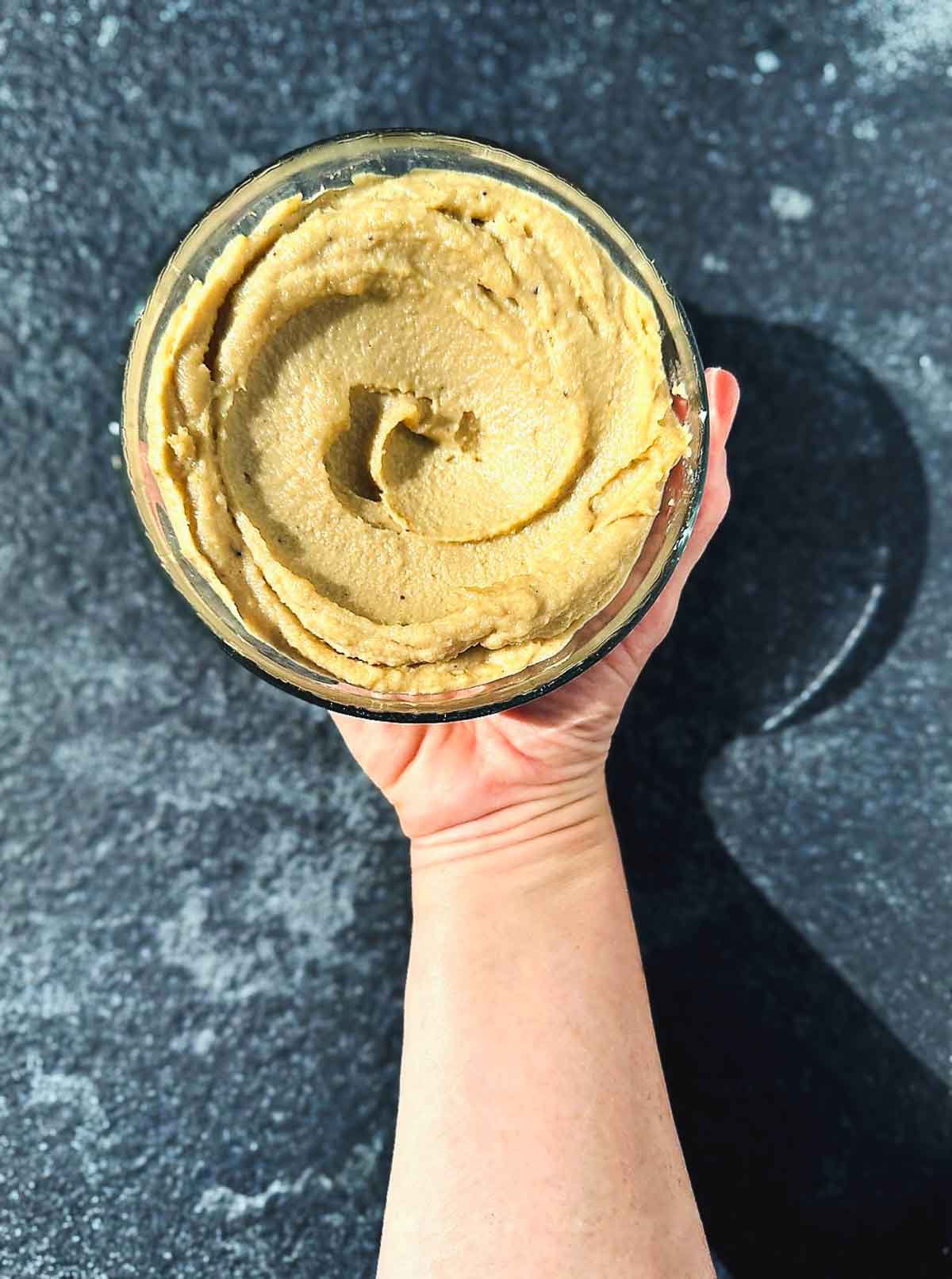
More About Miyoko Schinner
Miyoko Schinner is a Japanese-American chef, author, and activist whose work has helped shift how the world thinks about vegan cheese. By applying traditional cheesemaking techniques to plant-based ingredients, she has been a pioneer in shaping vegan cheese and making it accessible to home cooks. She’s published several groundbreaking cookbooks, including Artisan Vegan Cheese, The Homemade Vegan Pantry and, most recently, The Vegan Creamery.

FAQs
Yes. This cashew cheese recipe is meant to be a starting point—once you’ve got the method down, you can add herbs, spices, miso, or smoked paprika to create your own variations.
This style of cashew cheese softens beautifully but doesn’t fully melt like traditional dairy cheese. It’s best for spreading, layering, or stirring into warm dishes for creaminess.
Shio-kōji is a fermented seasoning made from rice kōji, salt, and water. It’s used throughout The Vegan Creamery to add umami and help the fermentation process along. In this cashew cheese, it gives the finished spread a subtle savory depth—rich, balanced, and just a little funky in the best way.
More Vegan Fermentation & Umami Recipes To Explore
- How To Build Umami Flavor With Vegan Ingredients
- Homemade Vegan Yogurt (2-Ingredient Recipe)
- How To Ferment Vegetables (And Ways To Use Them)
- Vegan Ricotta
Get This Recipe In Your Inbox
Share your email, and we’ll deliver it straight to your inbox.
Plus, enjoy new content every week as a bonus!
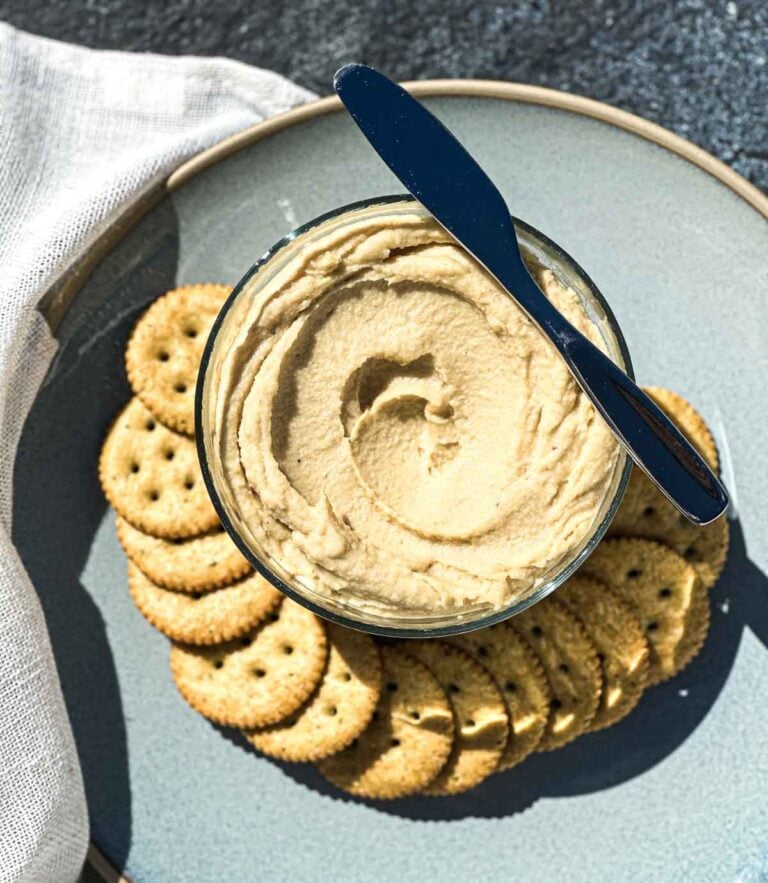
The Foundational Cashew Cheese
Reprinted with permission from The Vegan Creamery Copyright © 2025 by Miyoko Schinner. Photography copyright © 2025 by Eva Kolenko. Published by Ten Speed Press, an imprint of Crown Publishing Group.
Cashew cheeses are now ubiquitous, and everyone makes them a little differently. Unlike the previous recipes in this chapter where a milk is coagulated, then separated from the whey, cashew cheese is basically a thick puree or paste that “sets up” into cheese. Sometimes coconut or another oil is added to make the mouthfeel even creamier, although I don’t find it necessary.
Cashew cheese is the easiest of all to make and can be flavored in a multitude of ways. It can even be aged, and its texture will change over time from creamy to sliceable. I have aged wax-covered cashew cheese for even two years or longer, at which point the texture can become like Parmesan. Although in my first book I recommend air-drying, if you do this for too long without a protective coating, the flavor can dissipate and just become chalky. This is why a long-aged cashew cheese should be waxed or have another protective coating, such as herbs, a saturated oil like shea butter, or activated charcoal.
This recipe is a springboard from which I hope you will create your own versions.
- Total Time: 24 hours 20 minutes
- Yield: 1 pound (450g)
Ingredients
- 2 cups (280g) cashews
- ½ cup (120ml) water or rejuvelac
- 1 teaspoon fine sea salt
- 2 tablespoons shio-kōji (optional; for umami flavor)
- 1 tablespoon nutritional yeast flakes
- ¼ teaspoon vegan culture, either mesophilic or thermophilic (omit if using rejuvelac)
Instructions
- In a saucepan, combine the cashews with water to cover. Bring to a boil for 2 to 3 minutes, then drain well.
- In a blender, combine the cashews, the ½ cup (120ml) water or rejuvelac, salt, shio-kōji (if using), and nutritional yeast and process until smooth and creamy, 1 to 2 minutes. Check the temperature—if the mixture is very hot, allow it to cool to below 100°F before adding the culture. Add the culture and reblend momentarily.
- Transfer the mixture to a sterilized container with a lid, ensuring that there is at least an inch or two of headspace, and place in a warm place (80° to 90°F for mesophilic cultures, 90° to 105°F for thermophilic) for up to 24 hours. You should see little gas bubbles build up—this is a unique function of cashew fermentation (this does not happen with most other milks). You should check the pH or taste it after 12 hours. Aim for a pH of 4.6 for a cheesy but not too tangy cheese (the longer you ferment it, the tangier it will get).
- When it has reached the desired pH, put the container in the refrigerator or transfer to a cheesecloth-lined mold of choice. Refrigerate it for 24 hours or so until it has firmed up and can be unmolded. Serve as is, or roll in fresh or dried herbs, smoked paprika, grated lemon zest, or crushed peppercorns. To keep and serve as a soft cheese, wrap in plastic wrap and store in the refrigerator for 2 to 4 weeks.
Notes
Variations
- Aged Cashew Cheese: Cashew cheese is easier to age if it is coated in something that adds not only flavor but protection. Coat the molded cheese in dried herbs of choice, activated charcoal, or paprika and wrap loosely in parchment paper. Store in the refrigerator, where it will firm up and develop additional flavor over the course of 4 to 8 weeks. The cheese is ready when you say it is!
- Savory Aged Cashew Cheese (Cheddar-like): When making the cheese, use only ⅓ cup (80ml) water or rejuvelac, increase the nutritional yeast to 4 tablespoons, and add 2 tablespoons light or white miso. Ferment until fairly tangy, aiming for a pH of 4.3 or lower. Put in a mold and refrigerate to firm up. Take out and wrap in parchment paper. Let it age in your refrigerator for 6 to 8 weeks, until firm and sliceable.
- Double Cream Cheese: After fermentation, put the cheese in a food processor with ¼ cup (60ml) melted refined coconut oil or refined shea butter and process until smooth. At this point, you can also add finely minced chives, garlic, or fresh or dried herbs. Pour into a cheesecloth-lined mold of choice and refrigerate until firm, then remove from the cheesecloth. Wrap in plastic wrap or parchment paper and store in the refrigerator for up to 8 weeks
- Prep Time: 20 minutes
- Fermentation Time: 24 hours
- Category: Condiment, Snack
- Method: Fermented
- Cuisine: French, Japanese
- Diet: Vegan


How does one find a warm
place to store the cheese at 80-90 degrees?
Amanda, I turn on my oven light which creates the perfect temperature for this cashew cheese recipe. Just clip a thermometer inside your oven to check and maintain the temp. I also drape a towel over the top.