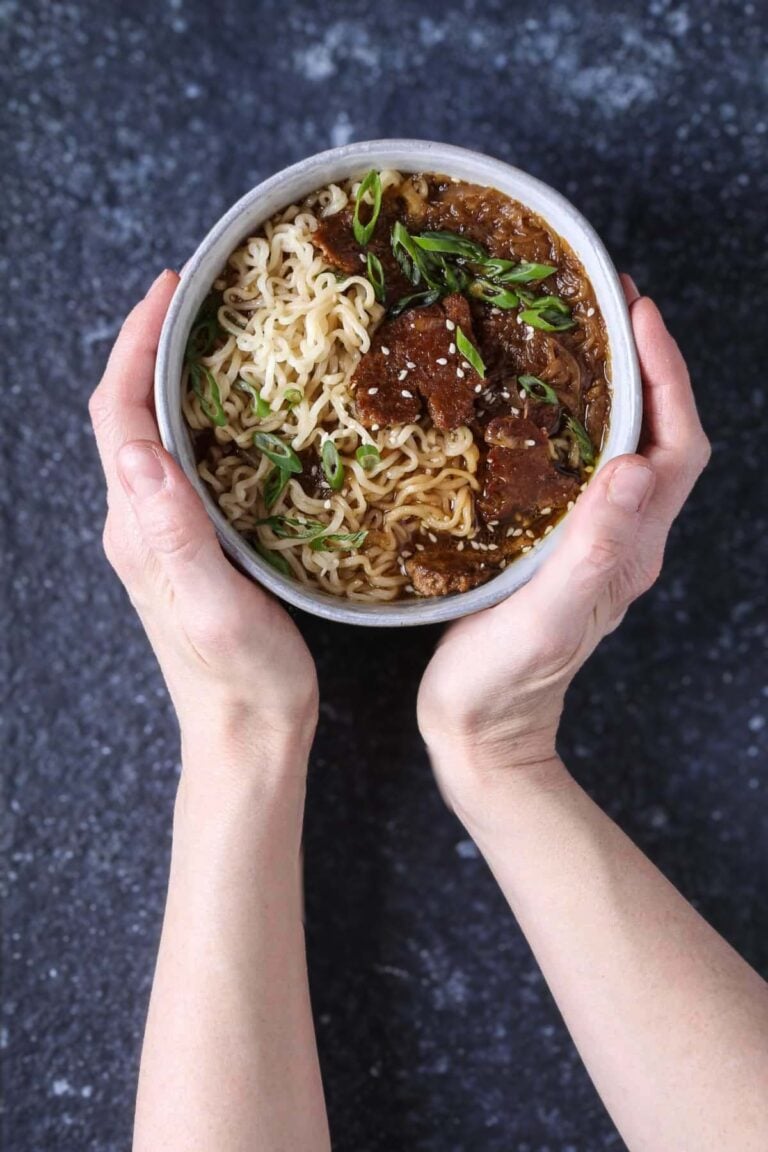
Miso is one of the highest-impact ingredients you can buy—tiny amount, massive return. Here’s how to use miso paste in everyday cooking so it adds real depth, whether it’s playing quietly in the background or driving the flavor of the dish.

Miso isn’t a one-size-fits-all ingredient. Depending on its base—rice, soybeans, chickpeas, and beyond—it can make soups shine, marinades slap, and sauces sing. Once you identify the type you’re working with, the next move is understanding where it belongs.
This guide shows how to use miso paste with intention. You’ll learn how different miso types map to different dishes, how to handle miso so its flavor stays balanced, and where it adds subtle depth versus a bold, savory punch. Whether you’re using that first scoop or finally putting the back-of-the-fridge tub to good use, you’ll find something useful here.
What Is Miso, Exactly?
Miso is a fermented paste traditionally made from soybeans, salt, and koji (a fermentation culture). Depending on the base—soybeans, rice, barley, or legumes like chickpeas—it can range from mild and sweet to deep and savory.
The Few Rules That Matter When Cooking With Miso
Miso is forgiving, but it does have limits. Most miso mishaps come from the same few issues: clumping, scorching, or dulling its flavor with too much heat. Get these three rules right, and miso becomes one of the easiest ways to build depth and umami in everyday cooking.

Don’t dump it straight into the pot
Miso is thick and concentrated, which means it doesn’t dissolve evenly on its own. If you spoon it directly into soup or sauce, it can clump and create uneven saltiness throughout the dish.
What to do instead: Dissolve miso in a ladle of hot broth or warm water first, then stir it back into the pot. This takes seconds and helps the miso distribute smoothly, giving you balanced seasoning throughout your dish.
Watch the heat with glazes and marinades
Miso is frequently paired with sweeteners like sugar, maple syrup, or agave, which is why miso glazes can burn easily. High heat combined with thick miso coatings can cause scorching before the food underneath is fully cooked.
What to do instead: Use a thin coating rather than a heavy slather, and keep the heat moderate. For roasting or broiling, apply miso glazes toward the end of cooking or monitor closely so the sugars caramelize instead of burning.
Know when to add it
Prolonged high heat won’t make miso bitter or unsafe, but it can mute its fermented aroma and reduce flavor complexity, especially in lighter dishes.
What to do instead: For soups, sauces, and delicate preparations, add miso near the end of cooking so its nuanced flavor stays intact. For braises, marinades, and roasted vegetables, adding it earlier is fine—you’re using miso for depth and structure rather than subtlety.
What Type of Miso Do You Have? Start Here
Miso varies widely in flavor, strength, and saltiness, and knowing how each kind behaves—and which dishes it works best in—matters. One of the easiest ways to use miso well is to group it by intensity, then match that intensity to the dish you’re cooking. Here’s a simple, practical framework: light miso vs. dark miso.
Light miso (mild, balanced, seasoning-friendly)
This group includes white miso (shiro), chickpea miso, and some lighter barley misos. These misos are generally fermented for a shorter time and have a softer, rounder flavor.
Light miso works best when you want brightness and balance without dominating a dish. It dissolves easily, integrates well with acids and fats, and functions more like a seasoning than a primary flavor.
Best uses: Soups, dressings, creamy sauces, vinaigrettes, grain dishes, and finishing touches added off heat.

Dark miso (deep, salty, assertive)
Red miso (aka), brown rice miso (genmai), heartier barley misos, and soybean-based misos (mame) fall into this category. These are typically fermented longer and bring a more concentrated, savory intensity.
Dark miso works best in dishes with longer cooking times and bold flavors, where its savory depth won’t get lost. It adds structure and complexity, making vegetables taste heartier, and marinades feel bold rather than flat.
Best uses: Marinades, roasted vegetables, mushrooms, braises, stews, and dishes that benefit from a strong umami backbone.
Quick guide: Matching Miso to the Dish
With this framework, the key takeaway is simple: start with the dish, then decide whether miso should support it or drive the flavor.
- Soup or broth: light miso, or a blend
- Sauces and dressings: light miso
- Roasted vegetables: light for balance, dark for depth
- Marinades and glazes: dark miso
- Grains, pasta, risotto: light miso, added off heat
The Best Ways To Use Miso Paste
Miso works best when you know where it belongs and when to add it. Use it in the right places, at the right moment, and it becomes one of the simplest ways to add depth to everyday cooking.
Soups and broths
Miso is most familiar in soup, but its real strength here is balance—not volume. A small amount adds savory depth and roundness without turning the broth heavy or overly salty.
How to use it: Dissolve miso separately and add it near the end of cooking so its flavor stays nuanced rather than flat. Try it in our easy vegan miso soup recipe.

Sauces and dressings
In sauces and dressings, miso works like an anchoring seasoning. It adds salt, umami, and body in one move, making vegan sauces taste fuller and more cohesive.
How to use it: Start with a small amount (½–1 teaspoon), whisk it in fully, then adjust. Light miso works best here, especially with acids like lemon or vinegar.
Roasted vegetables
Miso turns roasted vegetables from good to deeply satisfying. It clings well, browns beautifully, and adds savory contrast to naturally sweet vegetables.
How to use it: Thin miso with oil and a splash of acid or sweetener, and apply lightly. Roast at moderate heat or glaze toward the end to prevent scorching. Try it in our firecracker cauliflower recipe.

Mushrooms, tofu, and beans
These ingredients benefit most from miso’s structure-building qualities. Darker miso adds depth, making vegetables taste heartier and proteins feel more complete.
How to use it: Use miso early in marinades or cooking so it has time to integrate. A little goes a long way—think backbone, not coating. Try it in our king oyster mushroom pasta recipe.

Grain dishes
Miso can play the role of finished umami seasoning. It rounds out grains and pasta dishes without overwhelming them.
How to use it: Stir miso in off heat, once the dish is finished cooking. This keeps the flavor vibrant and prevents unnecessary saltiness. Try it in our vegan mushroom risotto recipe.

How To Store Miso (So It Actually Lasts)
Miso is fermented, salty, and naturally long-lasting, but how you store it still matters. Proper storage keeps the flavor balanced and prevents surface mold or off aromas from developing over time.
- Refrigerate after opening. Cold storage slows fermentation and helps preserve miso’s flavor. Once opened, miso should live in the fridge, not the pantry.
- Keep the surface covered. Press miso down after scooping so it sits flat, then cover the surface directly with parchment paper or plastic wrap before sealing the container. This limits air exposure, which can cause drying or darkening.
- Use a clean utensil every time. Cross-contamination is the fastest way to spoil miso. Always use a clean spoon—no double-dipping from the pot.
- Darkening is normal; mold is not. Miso may darken slightly over time due to oxidation, especially lighter varieties. This doesn’t mean it’s bad. Actual spoilage shows up as fuzzy mold in colors like green, black, or pink—if you see that, discard the miso.
- How long does miso last? Most miso containers don’t list an expiration date, and that’s intentional. Because miso is fermented and high in salt, it keeps well for a long time. When stored properly in the refrigerator and handled with a clean utensil, miso is typically at its best within 6 to 12 months after opening, though it often keeps well beyond that. Changes in color or flavor over time are normal and don’t automatically mean the miso has spoiled.

FAQs
Miso can be mixed with water or broth, but it shouldn’t be added straight to the pot. Because miso is thick and salty, dumping it directly into hot liquid can cause clumping and uneven seasoning. Instead, dissolve miso in a small amount of warm water or broth first, then stir it into the dish—ideally off heat or near the end of cooking. This helps the miso distribute evenly and keeps the flavor balanced.
Miso paste lasts a long time when stored properly. Because it’s fermented and high in salt, miso doesn’t spoil quickly. After opening, it’s typically at its best within 6 to 12 months, but it often keeps well beyond that if refrigerated and handled with a clean utensil. Darkening or mellowing of flavor over time is normal and doesn’t automatically mean the miso has gone bad.
Some miso is gluten-free, but not all. While miso is traditionally made from soybeans, salt, and koji, many varieties also include barley, which contains gluten. Rice-based miso and chickpea miso are often gluten-free, but always check the label—especially if you’re learning how to use miso paste in gluten-free cooking.
For Fermented-Friendly Reading
I hope this guide on how to use miso paste helps you feel more confident using it in everyday cooking. If you have a favorite way to use miso—or a question that didn’t get answered—leave a note in the comments below.